Hello, Cat Enthusiasts!
Most lists of cat safe houseplants are sorted by plant name. This one is sorted by the look you want, because that is how people shop. Every plant below comes with its botanical name, since common names are where mistakes happen. A “palm,” a “lily” or a “money plant” can be a safe plant or a dangerous one depending on the species.
✅️ Safe houseplants worth buying, grouped by the look you want
The plants below are listed as non-toxic to cats by the ASPCA’s plant database. Check the current entry yourself before you buy (the method is further down), because databases get updated and plants get renamed.
Trailing and hanging plants
Trailing plants suit shelves and high planters, and they are the ones cats most want to bat and chew. Pick tough ones.
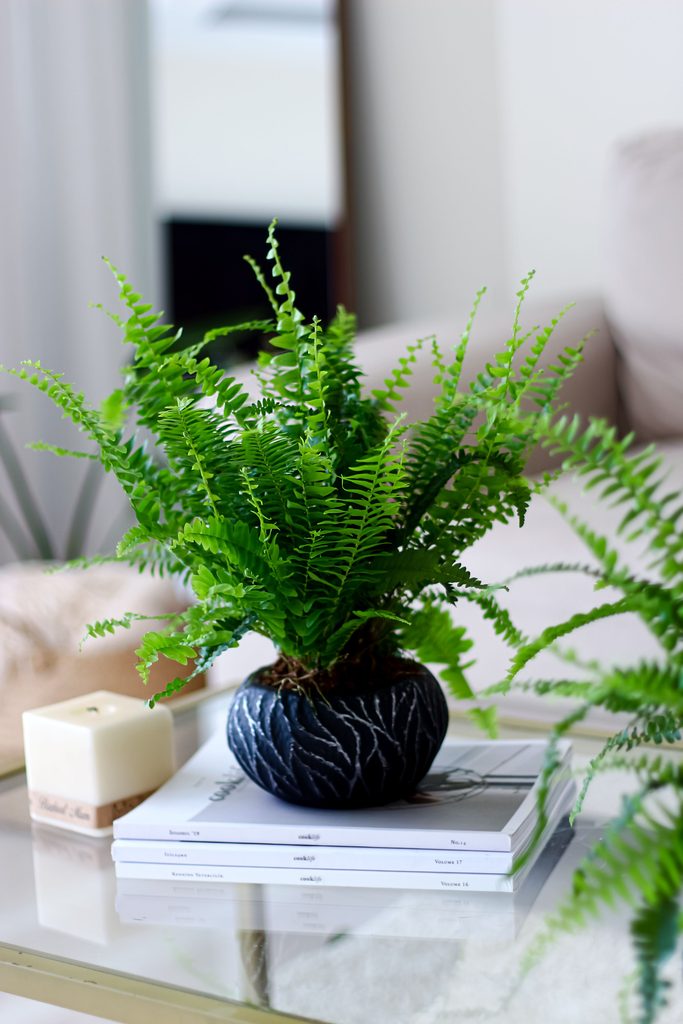
✅️ Boston fern (Nephrolepis exaltata): arching, feathery fronds that fill a hanging basket. It wants steady moisture, humidity and bright indirect light, so a bathroom with a window suits it.
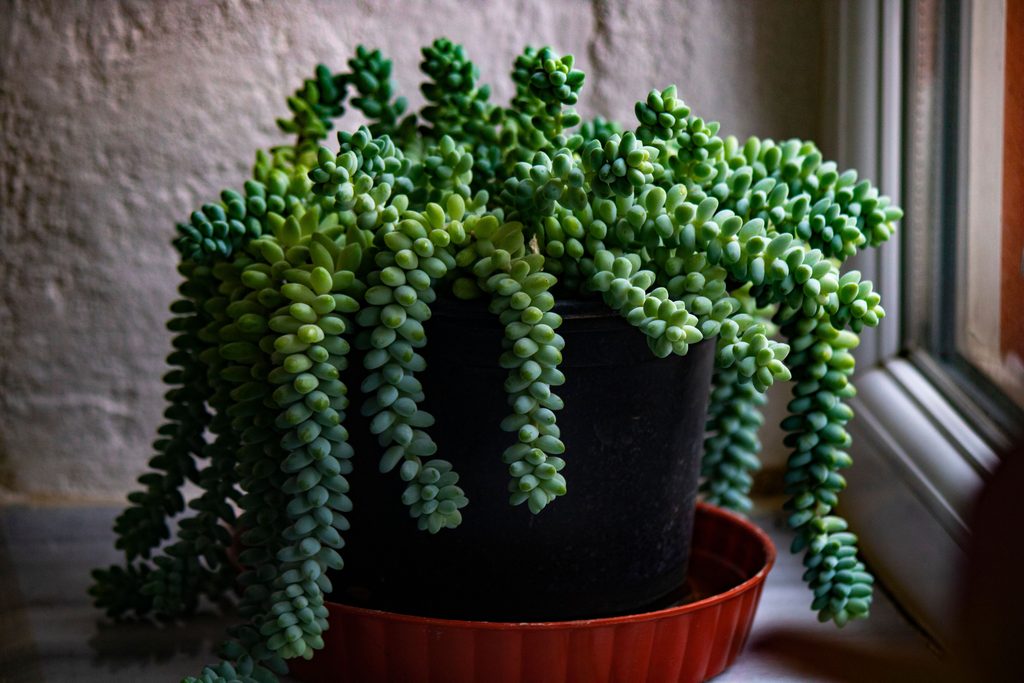
✅️ Burro’s tail (Sedum morganianum): thick, braided stems of plump blue-green leaves. It needs bright light and little water. The leaves fall off easily, so place it where a swatting paw cannot reach.
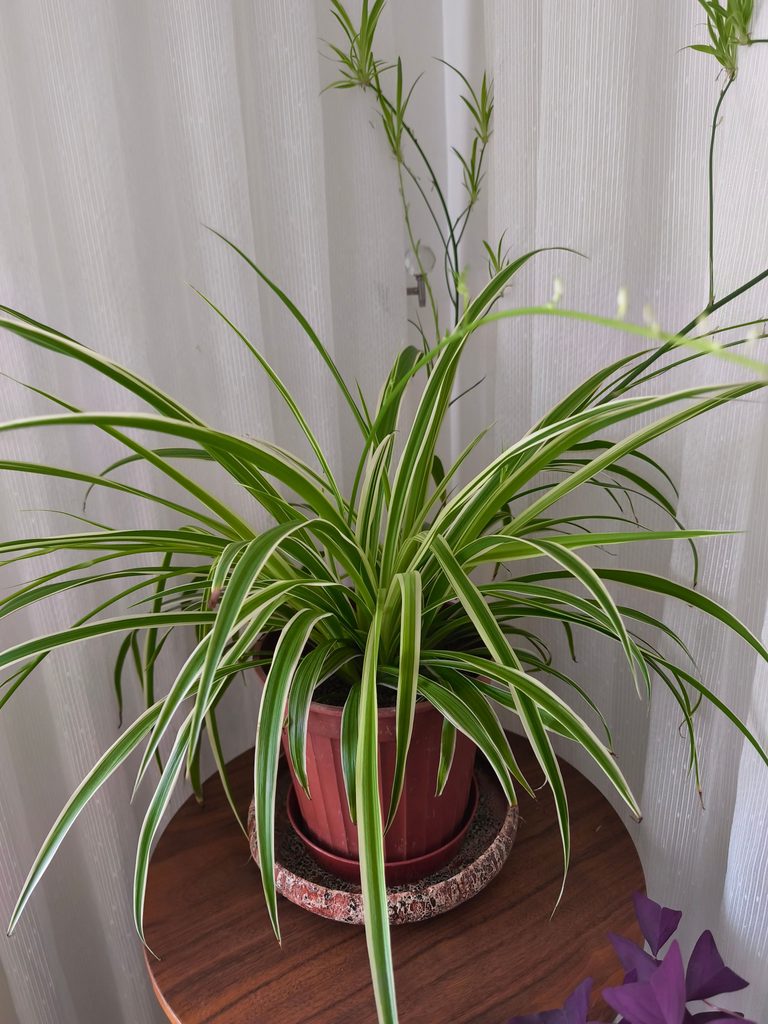
✅️ Spider plant (Chlorophytum comosum): arching striped leaves and small plantlets on long stems. It adapts to a range of light and forgives missed waterings. Cats often love chewing it, so expect ragged tips.
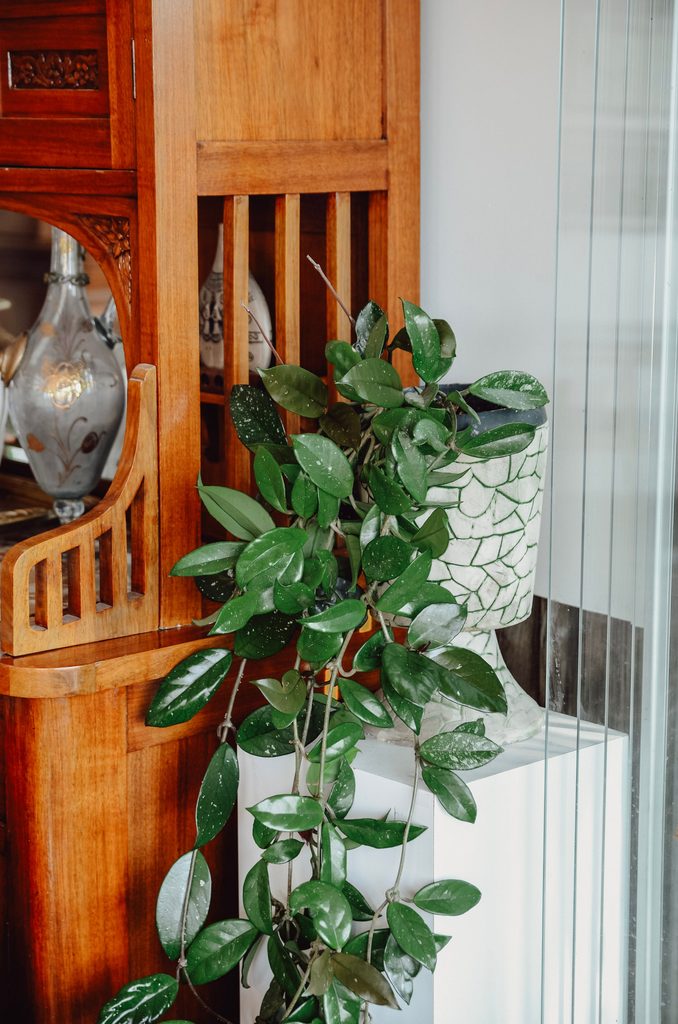
✅️ Wax plant (Hoya carnosa): waxy leaves on long vines that can be trained around a hoop or trellis. Give it bright indirect light and let the soil dry between waterings.
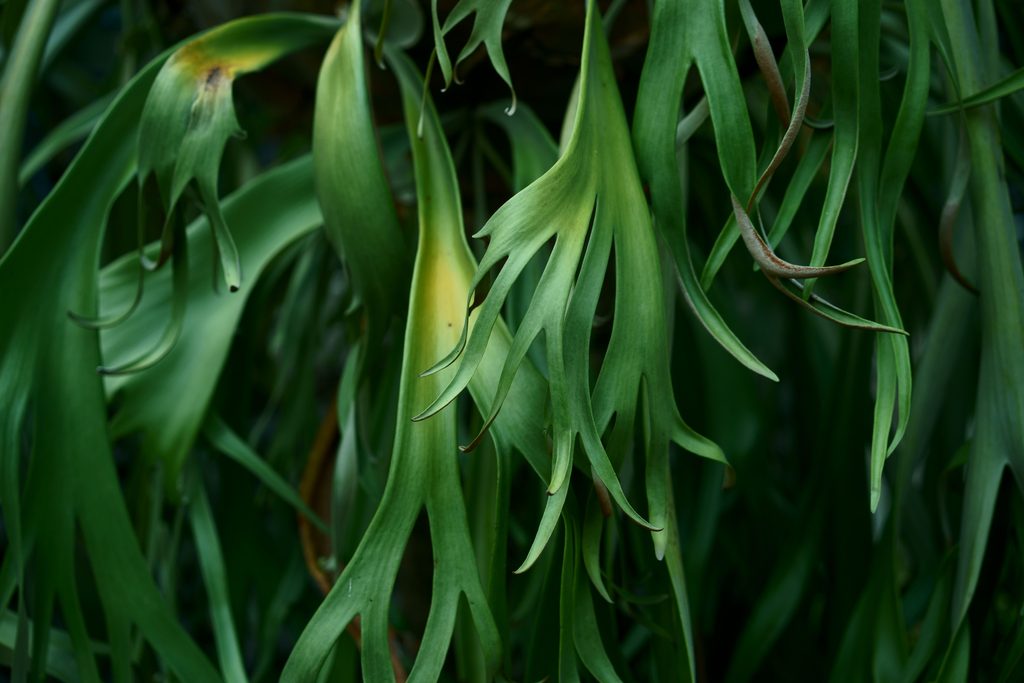
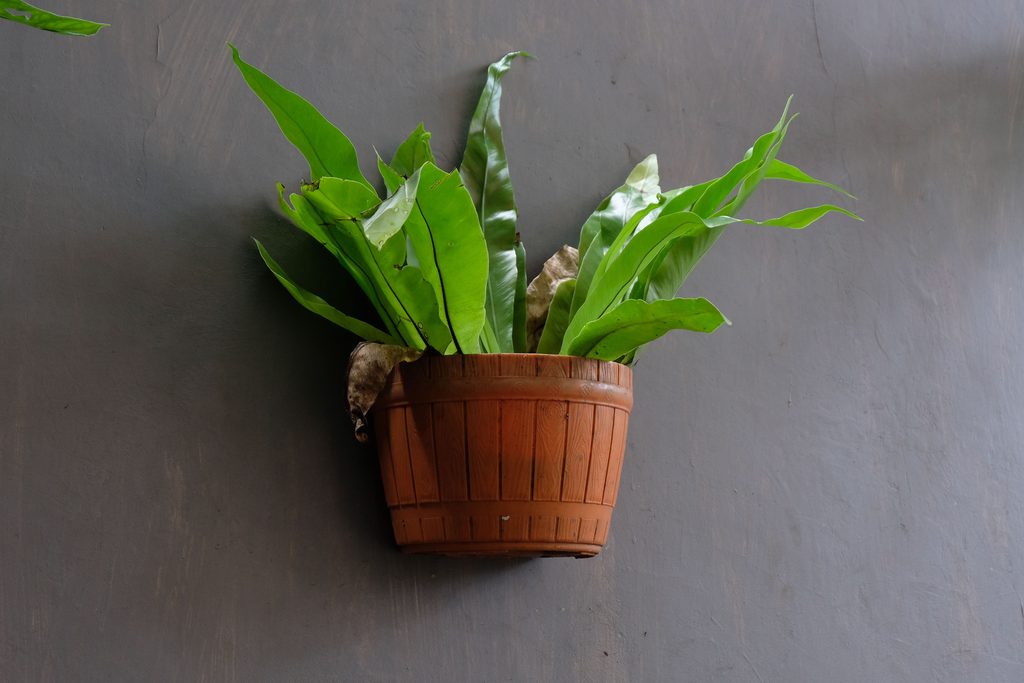
✅️ Staghorn fern (Platycerium species): usually mounted on a board and hung on a wall, which keeps it off surfaces entirely.
Tall plants that fill a corner
If you want height, you want a plant that stands on its own and does not look sparse. Several of the best options are palms.
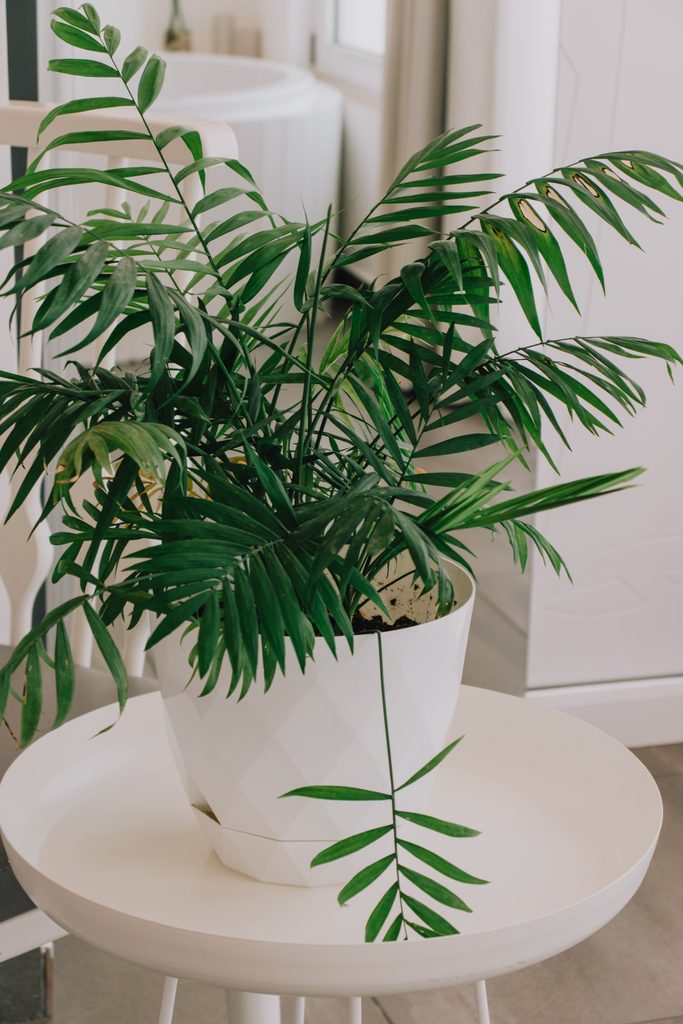
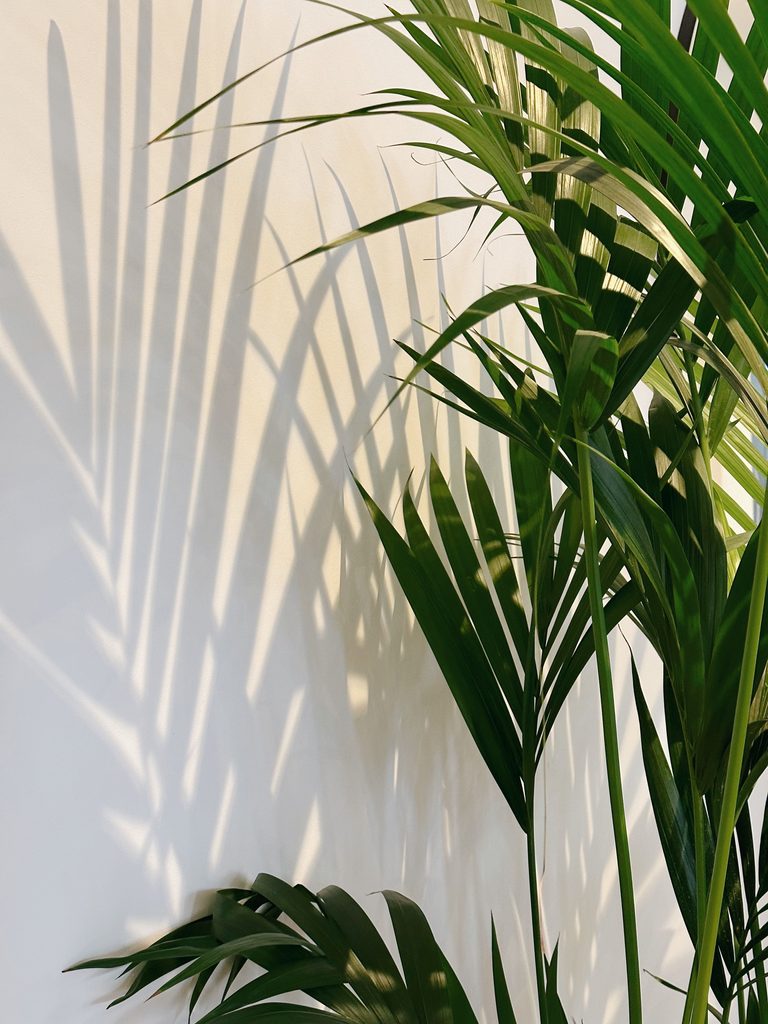
✅️ Parlor palm (Chamaedorea elegans): slim, graceful and tolerant of lower light. It stays a manageable size for years.
✅️ Areca palm (Dypsis lutescens): fuller and more feathery than the parlor palm, and it needs brighter indirect light.
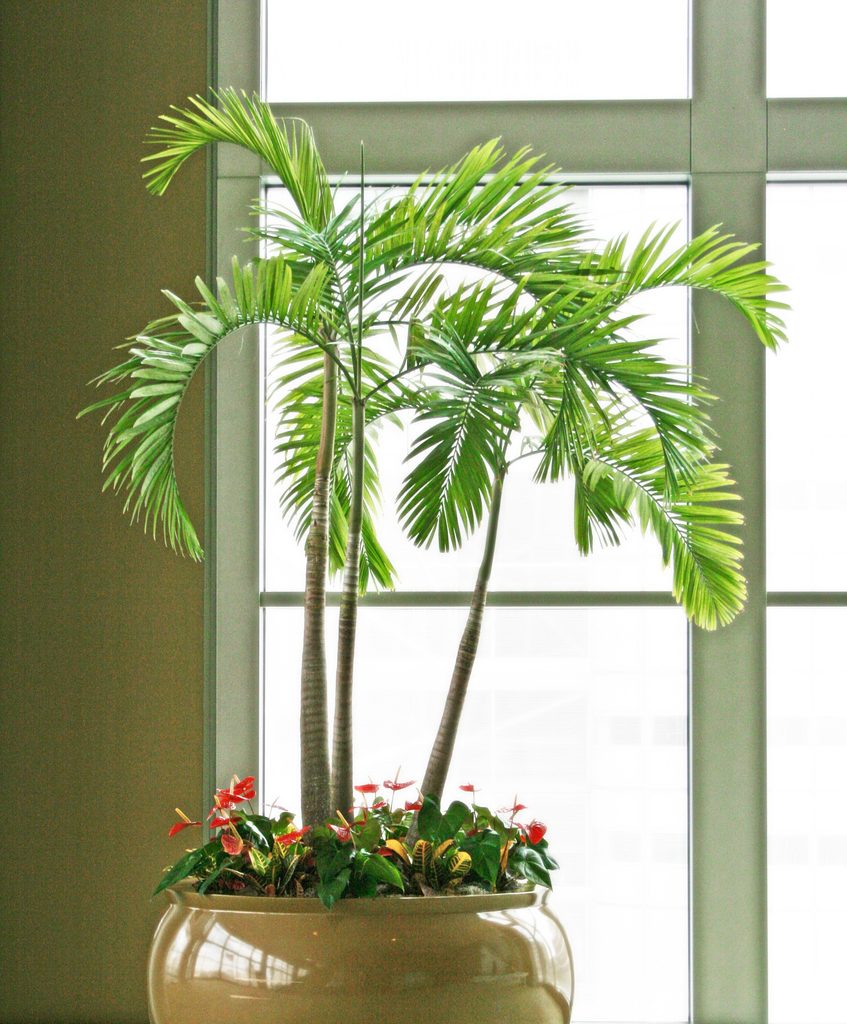
✅️ Kentia palm (Howea forsteriana): a more upright, formal look, and it copes with lower light better than most large palms.
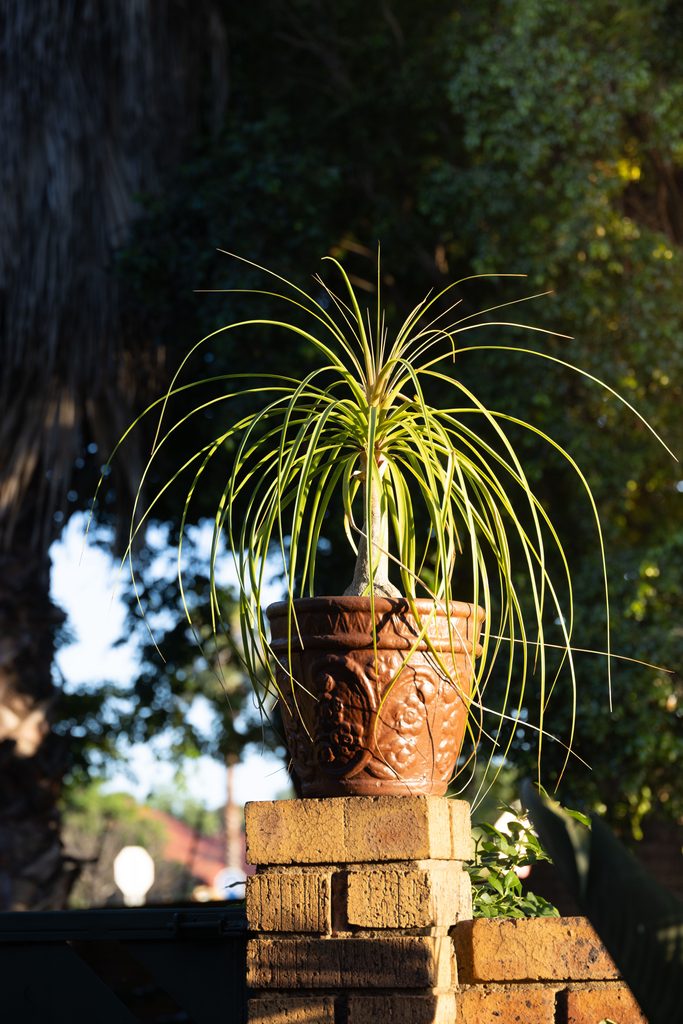
✅️ Ponytail palm (Beaucarnea recurvata): a swollen trunk base topped with a fountain of long, thin leaves. It is not a true palm, and that does not matter here, because it is listed as non-toxic. It likes bright light and very little water.
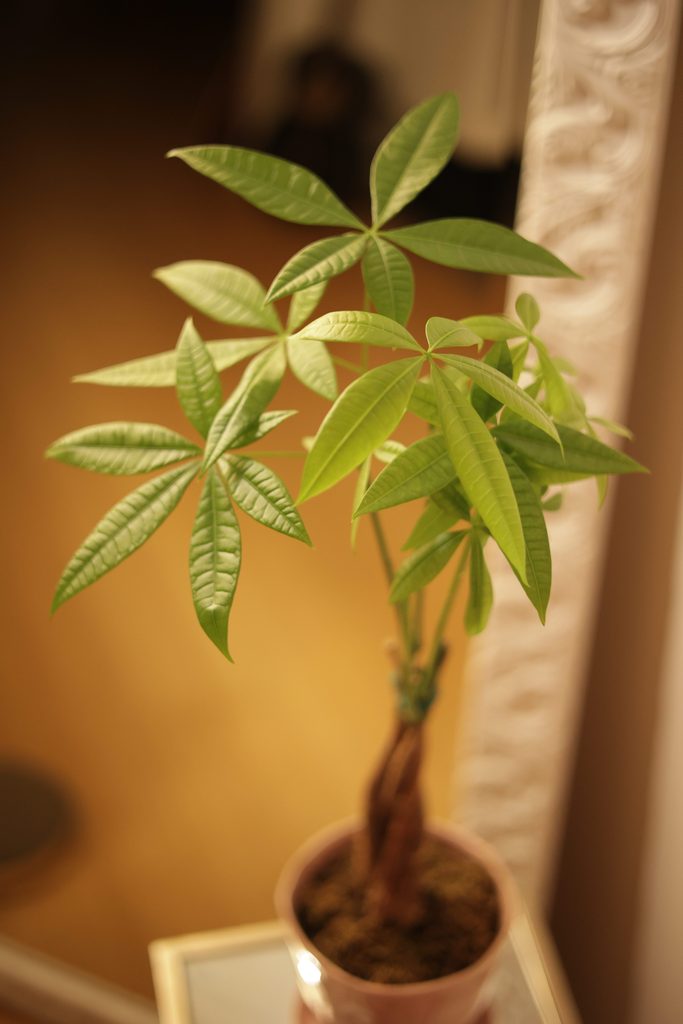
✅️ Money tree (Pachira aquatica): the braided trunk and hand-shaped leaves give a sculptural look. It does best in bright indirect light.
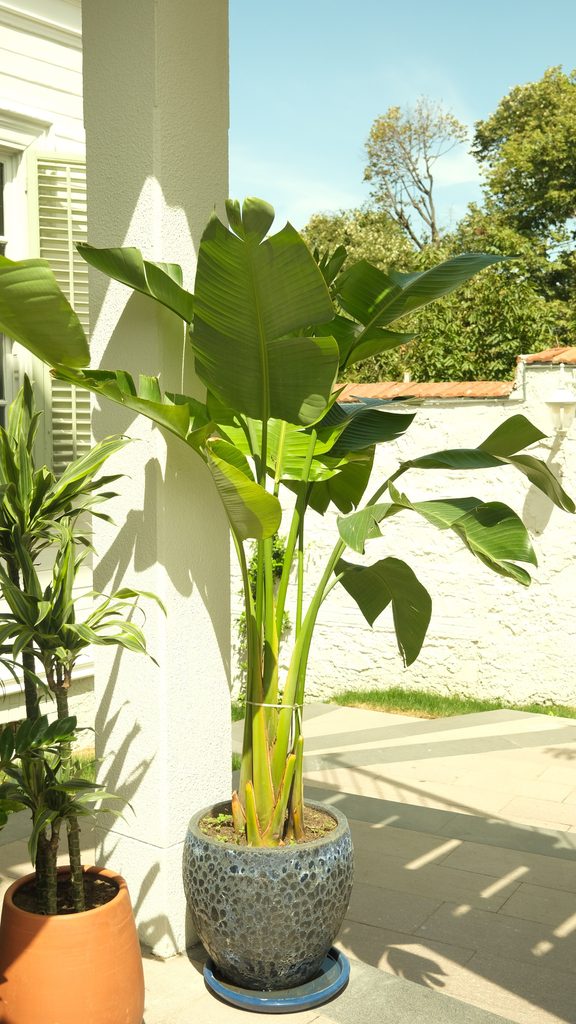
✅️ Banana plant (Musa species): big paddle leaves for a tropical look. It needs a lot of light, and the leaves tear easily.
Leafy plants with pattern and color
These give you the visible foliage that makes a shelf look styled.
✅️ Prayer plant (Maranta leuconeura): patterned leaves that fold upward at night. It likes humidity and indirect light.
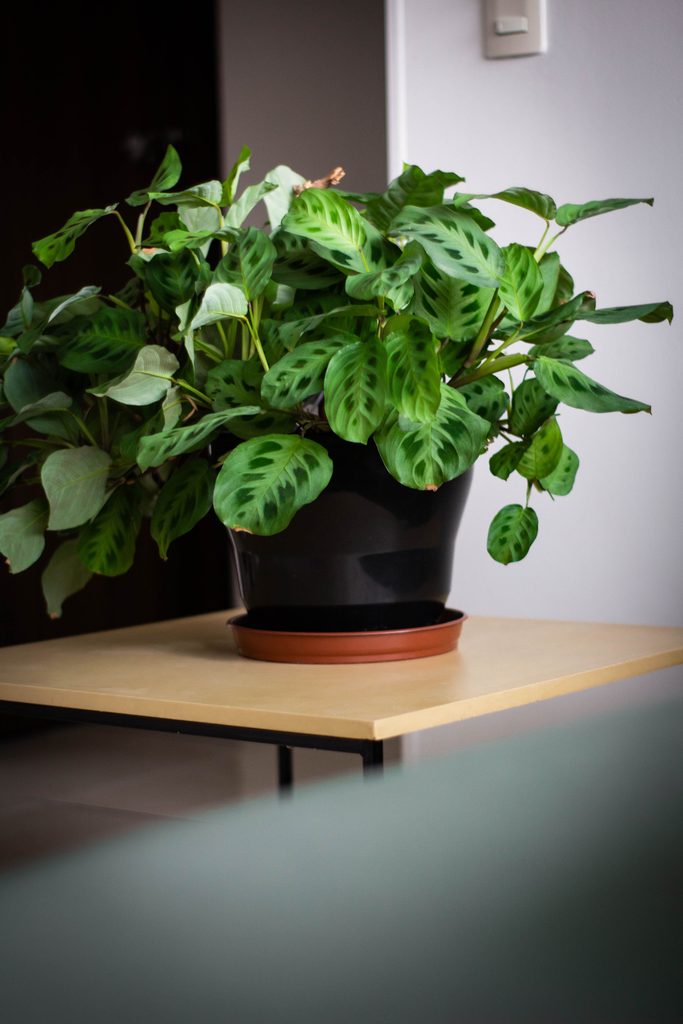
✅️ Calathea (Calathea and Goeppertia species): bold, painted-looking leaves. Many plants sold as calathea have been reclassified into the genus Goeppertia, so search both names.
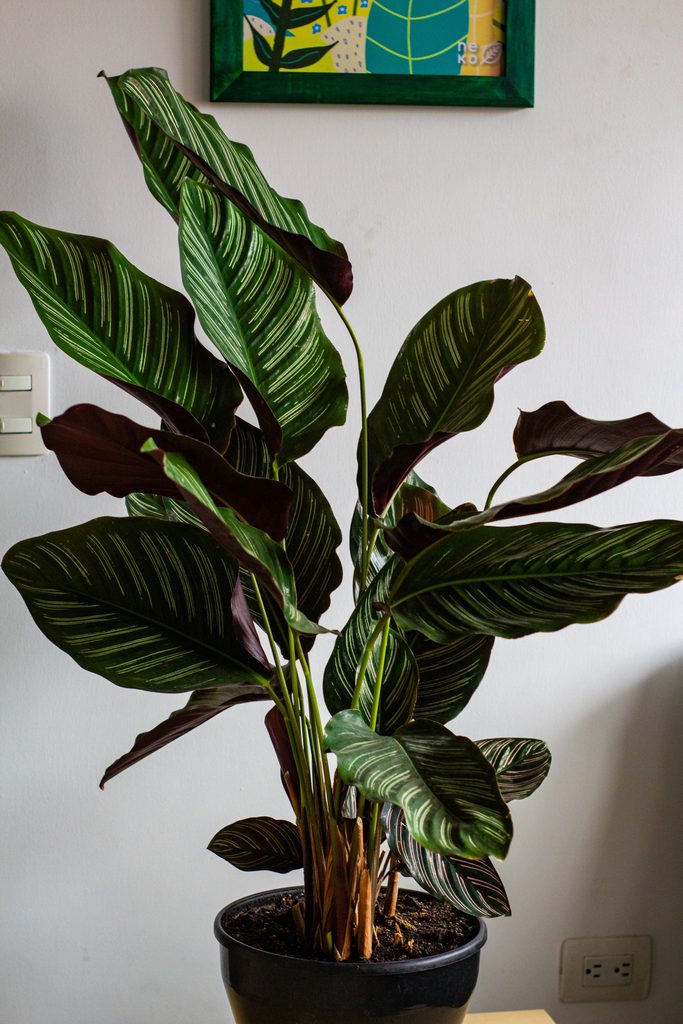
✅️ Nerve plant (Fittonia albivenis): small leaves with bright veining, good for terrariums and humid spots. It wilts dramatically when dry and recovers after watering.
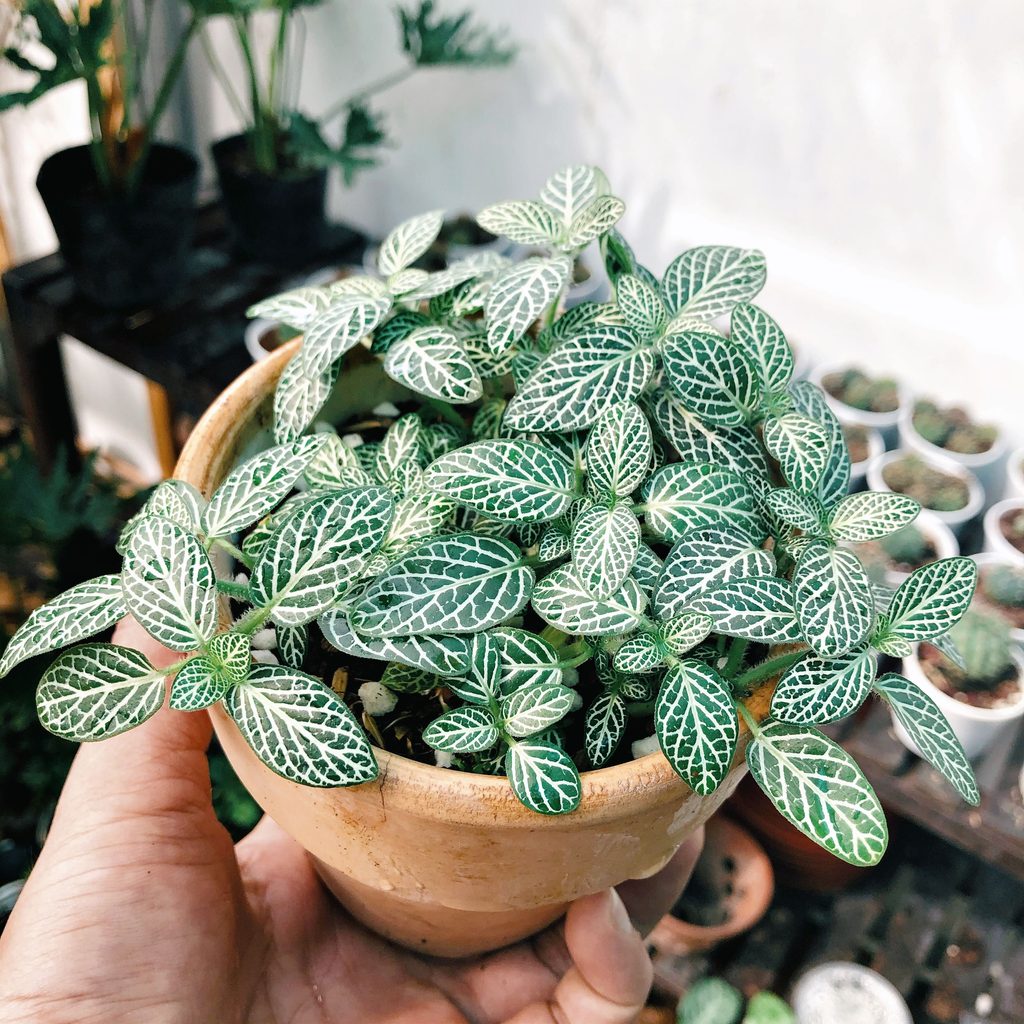
✅️ Peperomia (Peperomia species): dozens of varieties with rippled, striped, round or glossy leaves. The group is compact and easy, and it is one of the most useful families for cat owners.
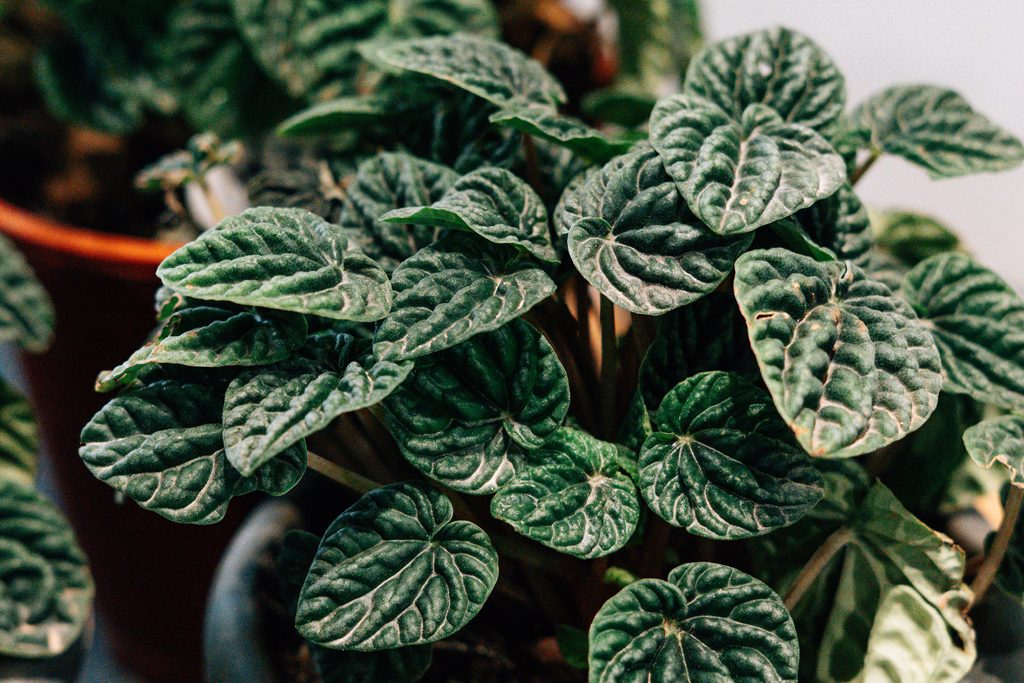
✅️ Chinese money plant (Pilea peperomioides): round, coin-shaped leaves on single stems. Rotate the pot so it grows evenly toward the light.
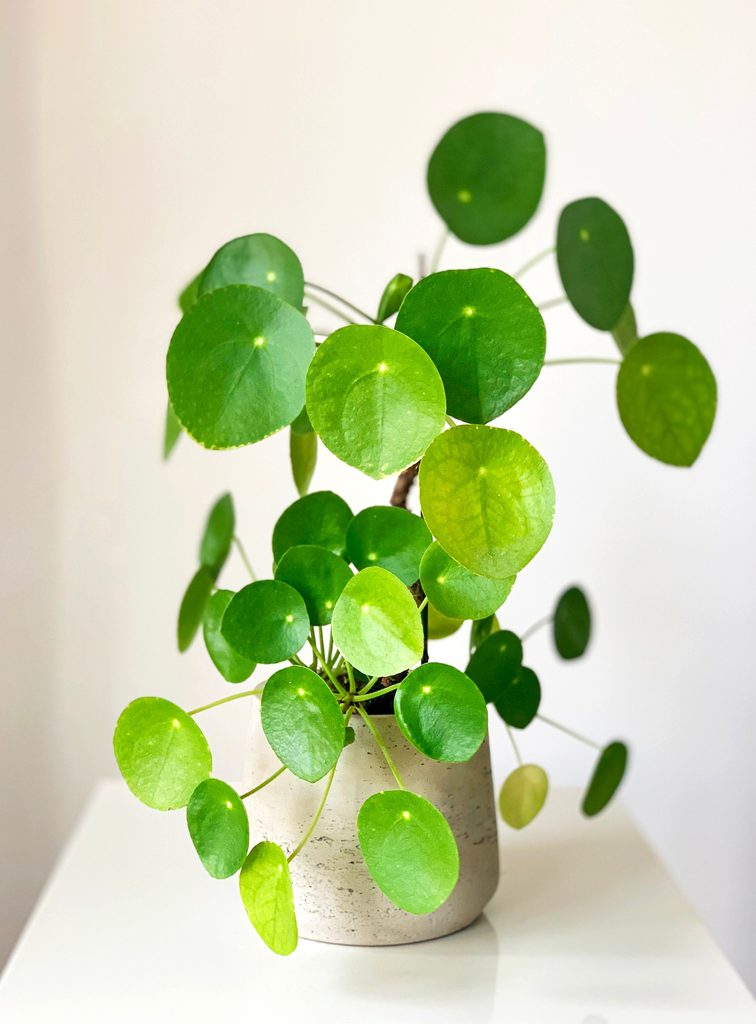
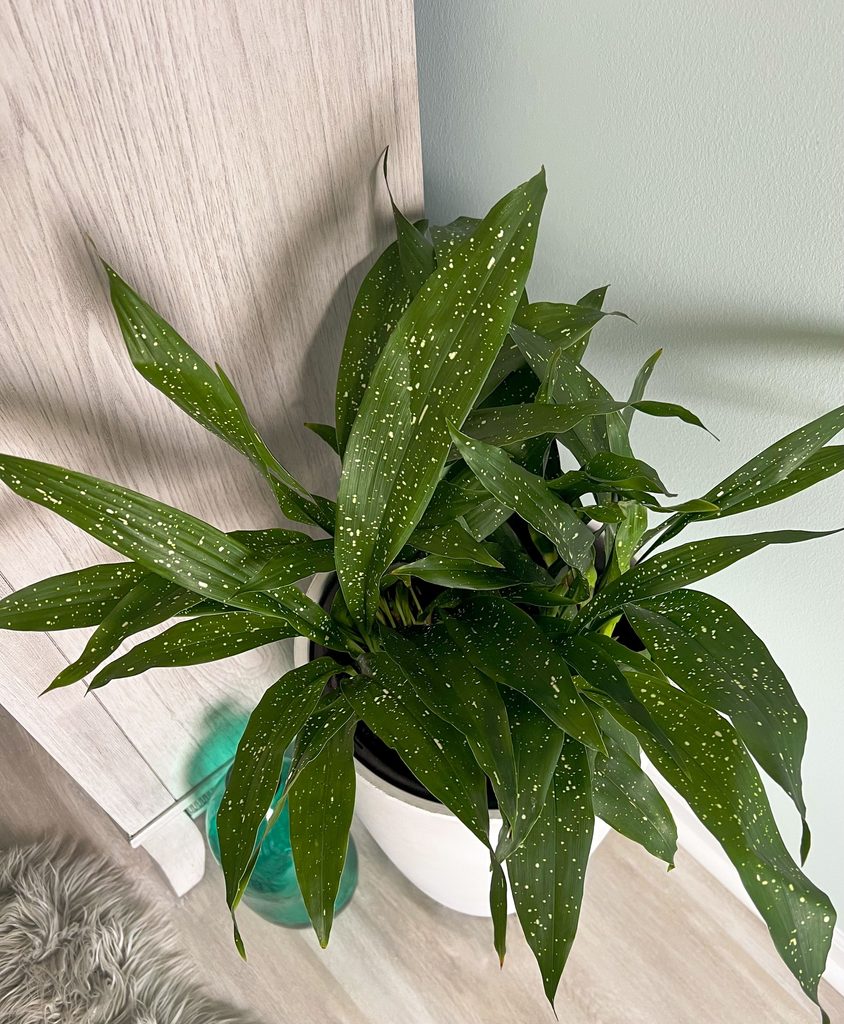
✅️ Cast iron plant (Aspidistra elatior): upright, dark green leaves that put up with low light and irregular watering. It is a good fit for a dim hallway.
✅️ Bird’s nest fern (Asplenium nidus): wavy, light green fronds that unfurl from a central rosette.
Compact plants for desks and windowsills
✅️ Zebra haworthia (Haworthiopsis attenuata): a small, spiky succulent with white bumps on its leaves. It resembles an aloe and is a safe stand-in for one.
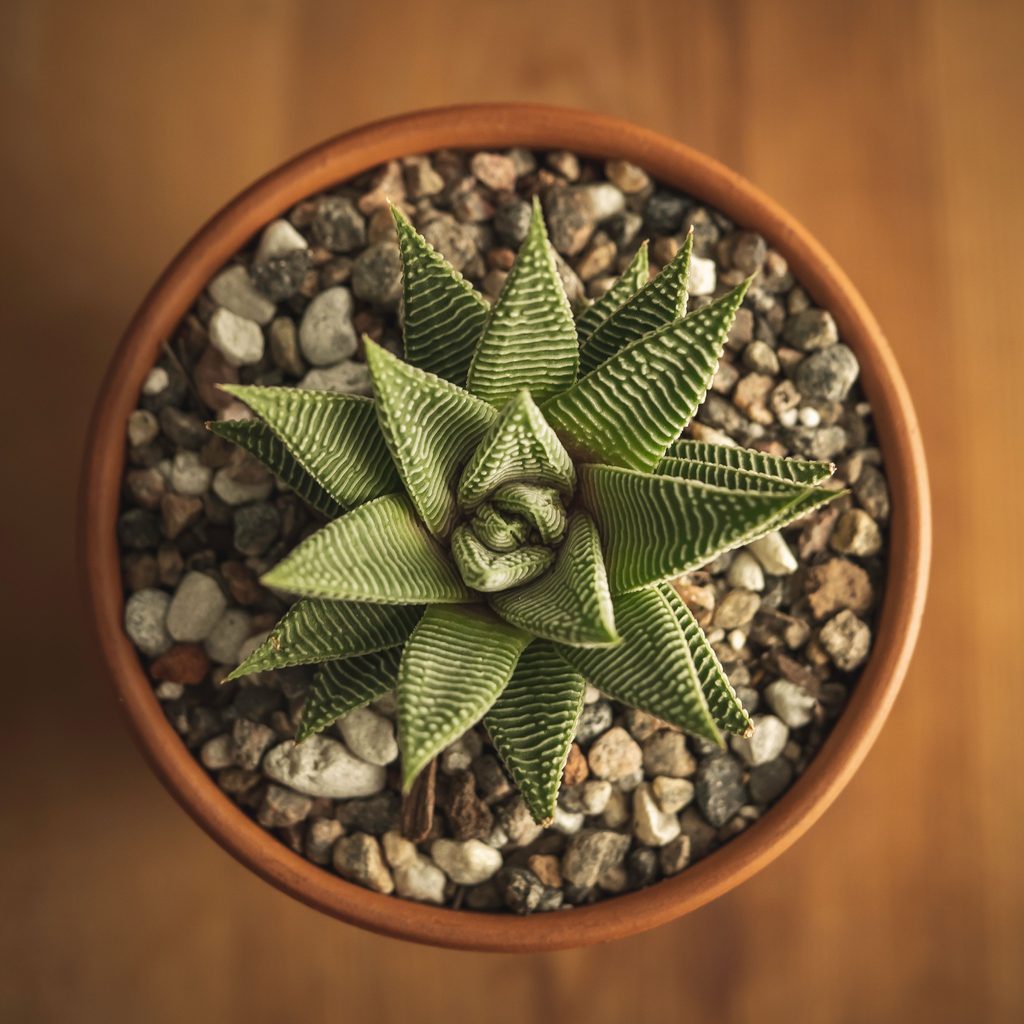
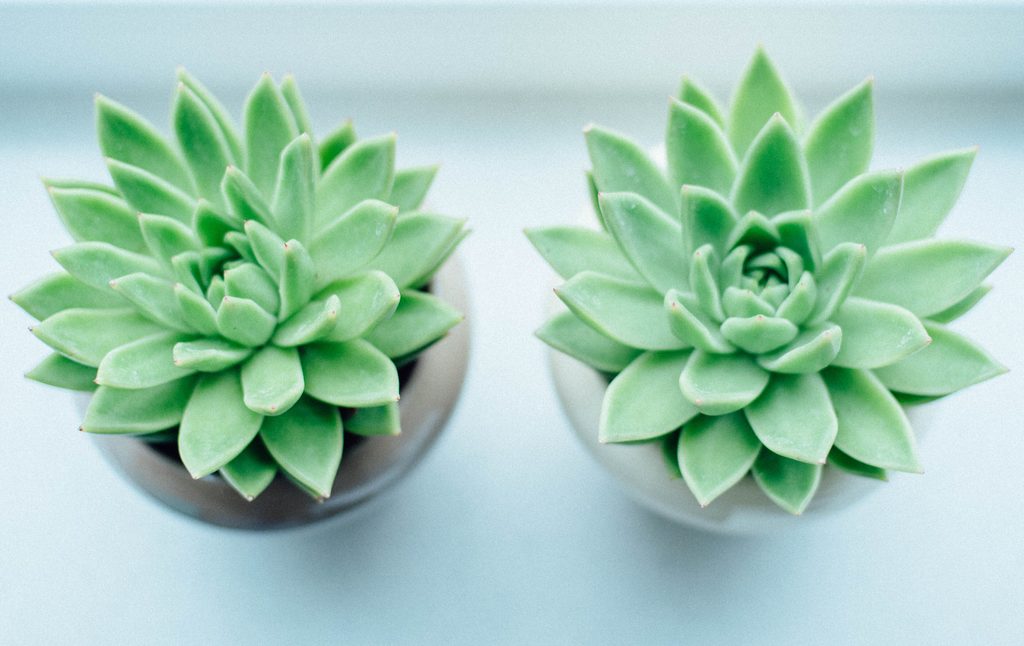
✅️ Echeveria (Echeveria species): tidy rosettes in blue, gray, pink or green. They need strong light.
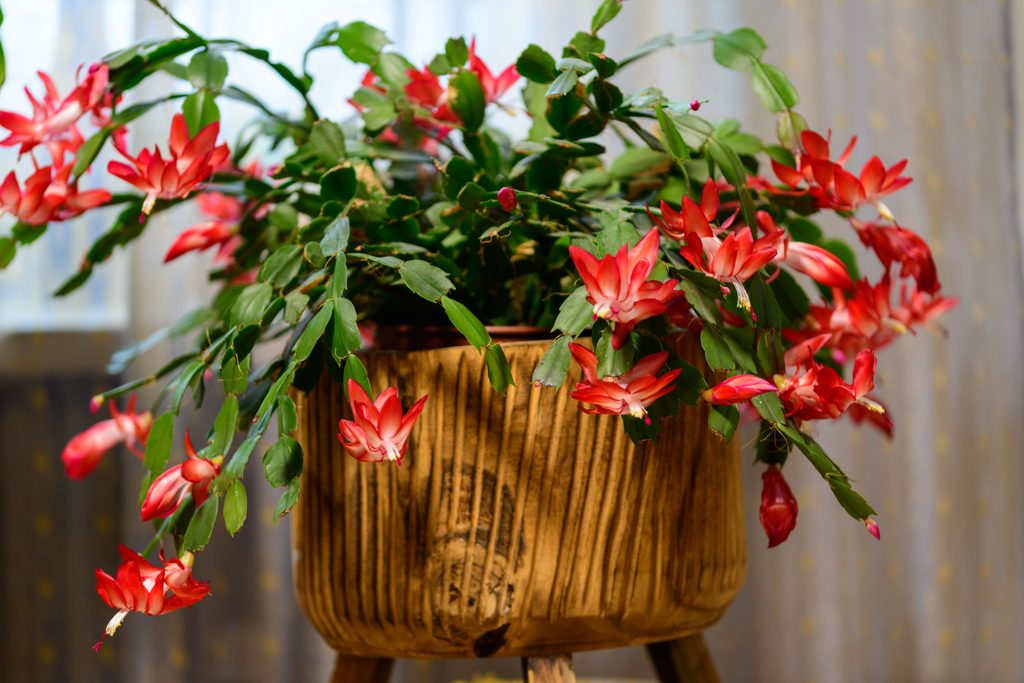
✅️ Christmas cactus (Schlumbergera species): segmented, drooping stems and bright flowers around the holidays. It is an easy seasonal plant for late November.
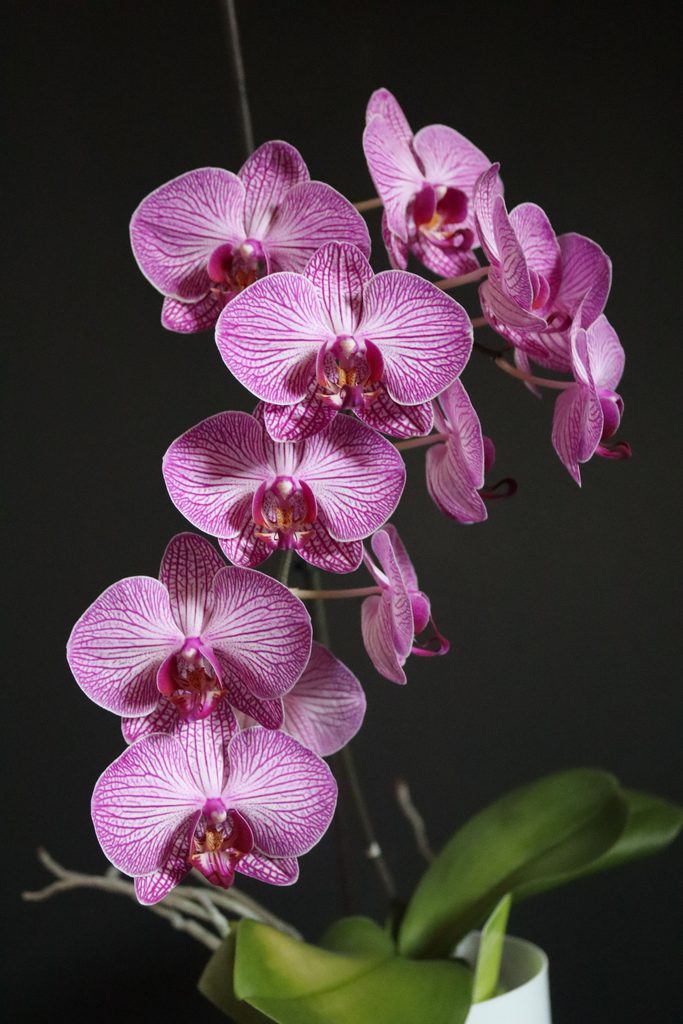
✅️ Moth orchid (Phalaenopsis species): long-lasting flowers on arching stems. It is one of the few flowering gift plants you can buy without checking twice, though you still should.
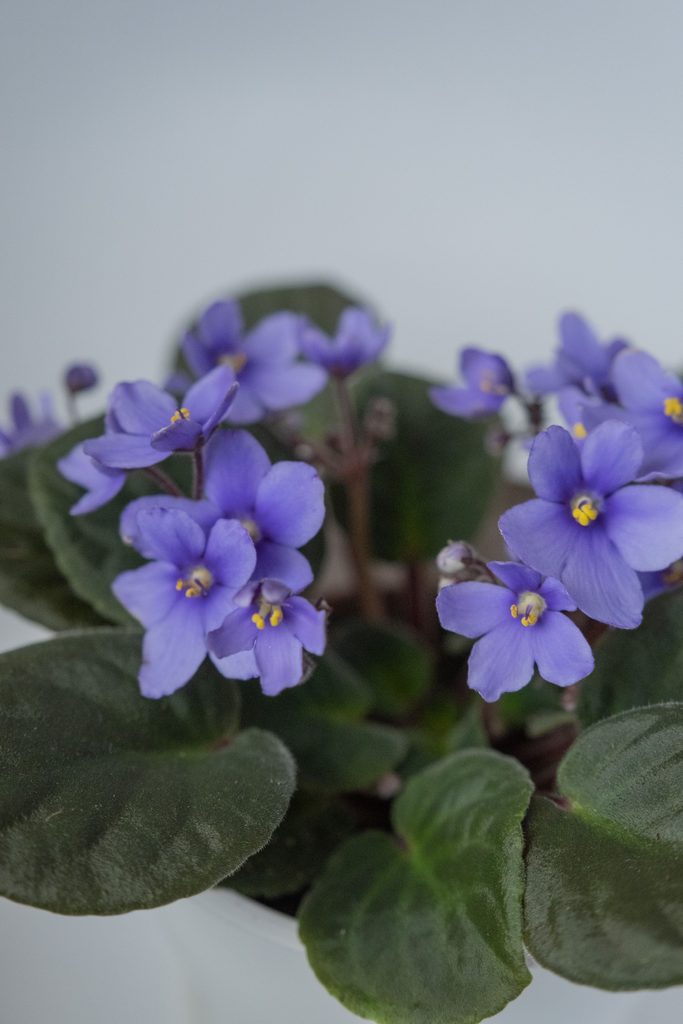
✅️ African violet (Saintpaulia species): fuzzy leaves and small flowers in purple, pink or white. It stays small and blooms indoors with enough light.
❌️ Lookalikes that share a name or appearance with a safe plant but are not safe
Most plant mistakes happen in one of two ways. A toxic plant shares a common name with a safe one, or it looks similar enough that a label like “tropical foliage plant” gives no clue. These are the pairs worth memorizing.
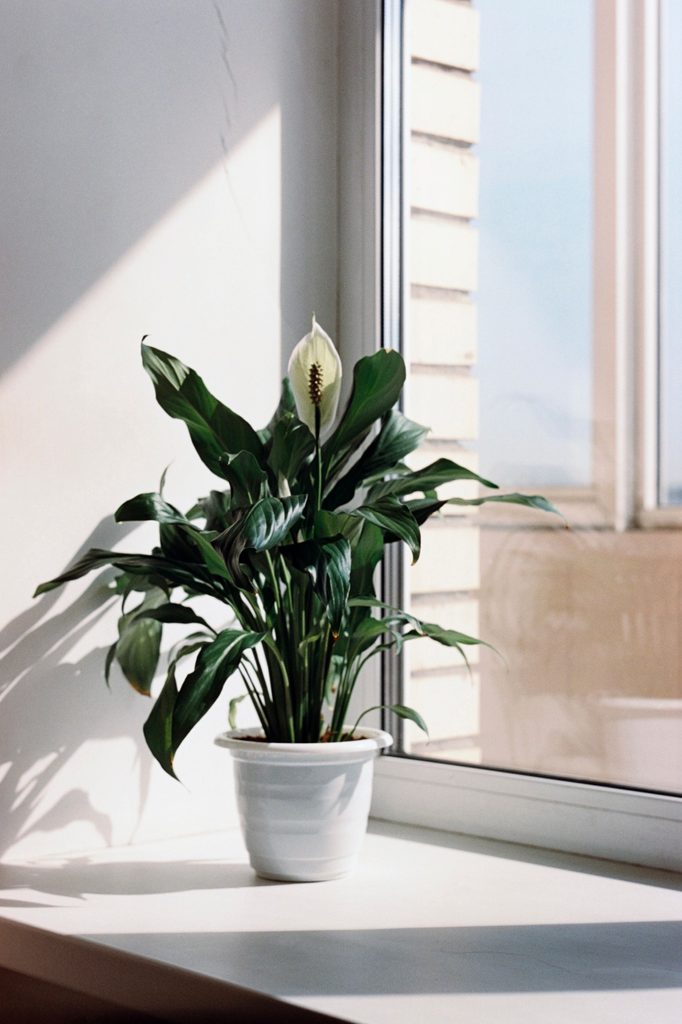
❌️ Peace lily (Spathiphyllum) looks like it belongs next to the calatheas and prayer plants, with dark glossy leaves and white blooms. It is not safe for cats. It contains insoluble calcium oxalates that irritate the mouth and throat, and chewing causes drooling and vomiting.
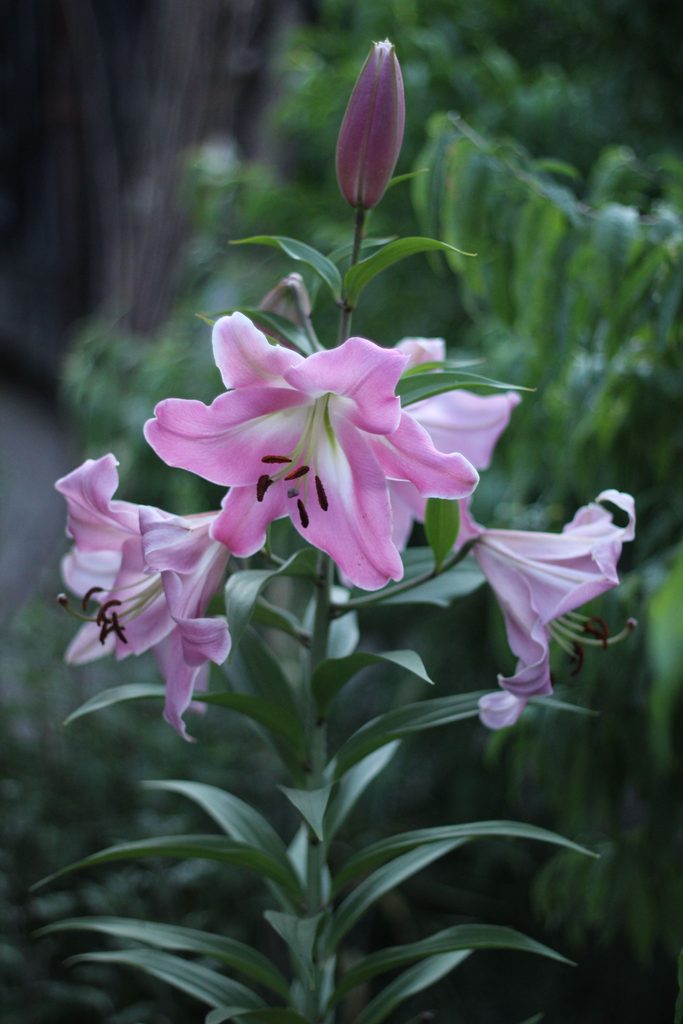
❌️ True lilies (Lilium) and daylilies (Hemerocallis) are far more dangerous than the peace lily. In cats they can cause acute kidney failure, and all parts of the plant are a risk, including pollen and the water in a vase. Treat any lily in a house with a cat as an emergency waiting to happen. Lilies appear in many bouquets, so check any flowers that come into the house too.
❌️ Sago palm (Cycas revoluta) is not a true palm, but it resembles the parlor palm and areca palm closely enough to fool buyers. It is very toxic to cats, and ingestion can cause serious liver damage.

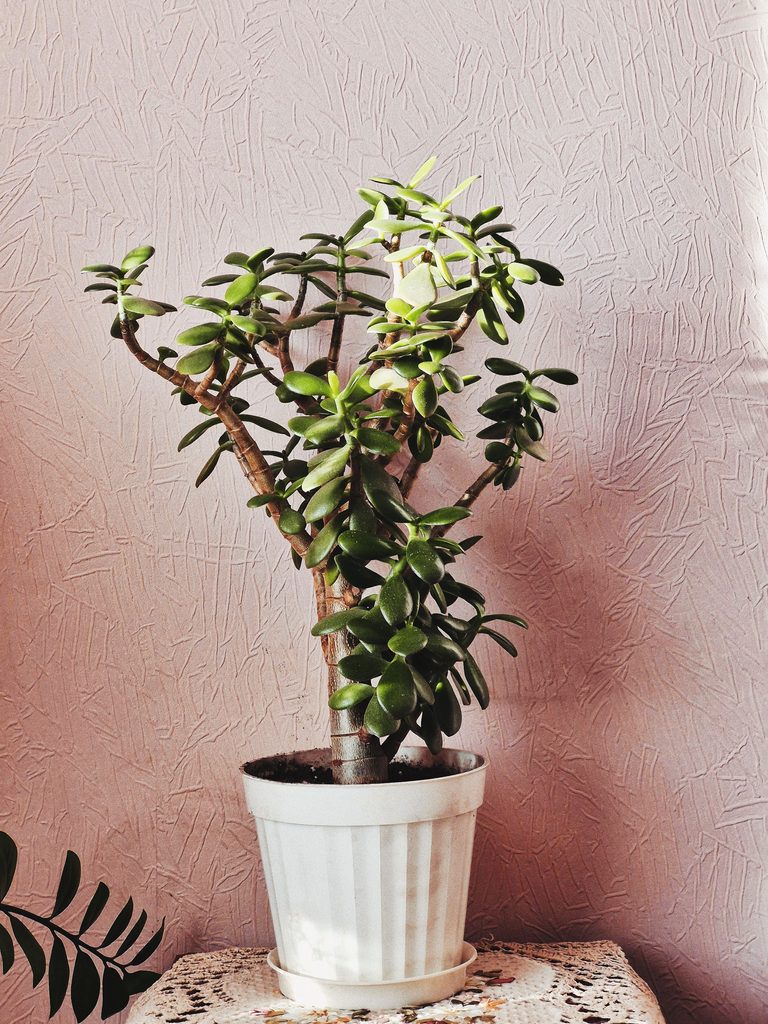
❌️ Jade plant (Crassula ovata) is sold as a lucky plant or money plant, a name that overlaps with the money tree (Pachira aquatica) and with the Chinese money plant (Pilea peperomioides). Jade is toxic to cats. Pothos (Epipremnum aureum) is also called “money plant” in some places and is toxic too. If a tag says only “money plant,” do not buy it until you know which species it is.
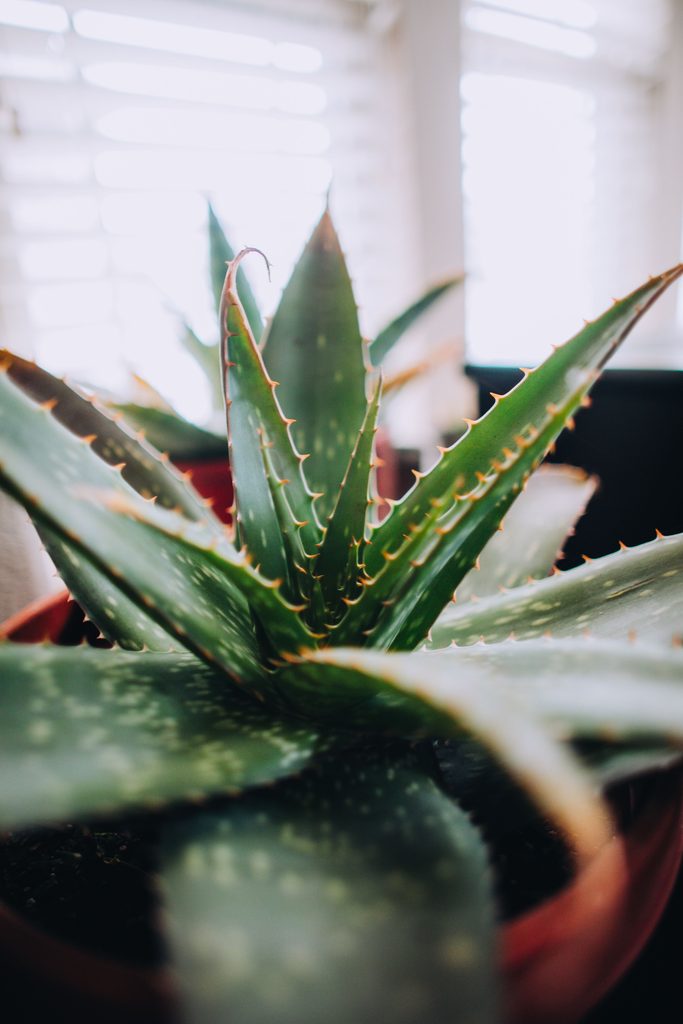
❌️ Aloe vera (Aloe vera) looks like the zebra haworthia, and the haworthia is the safe one. Aloe is toxic to cats.
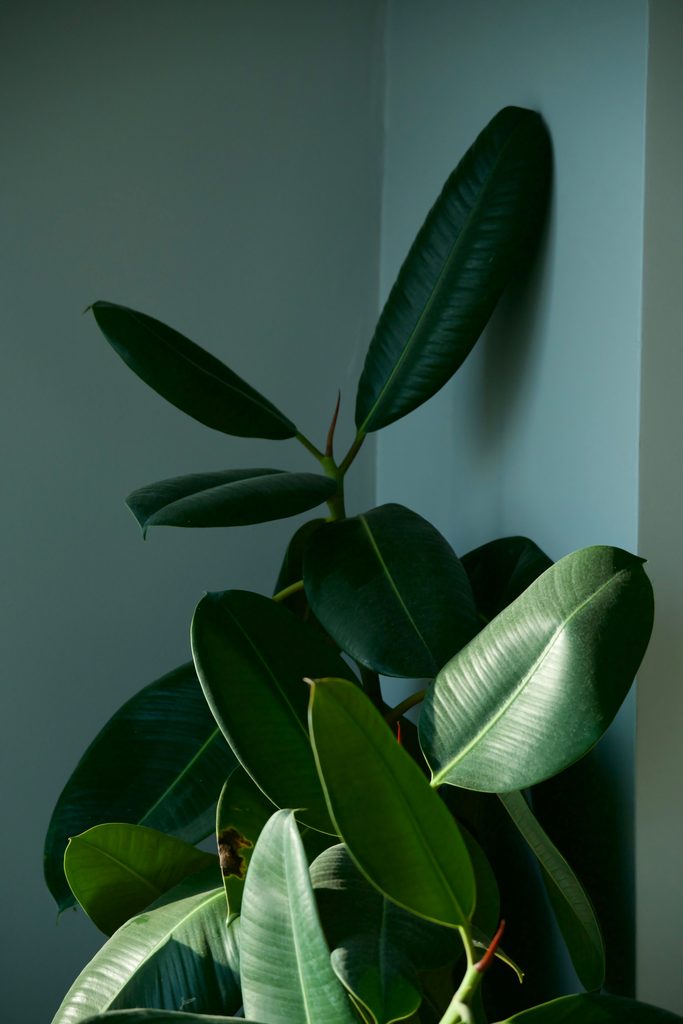
❌️ Rubber plant (Ficus elastica) is toxic. The “baby rubber plant” (Peperomia obtusifolia) is a different genus and is listed as non-toxic. The shared name is the whole problem.
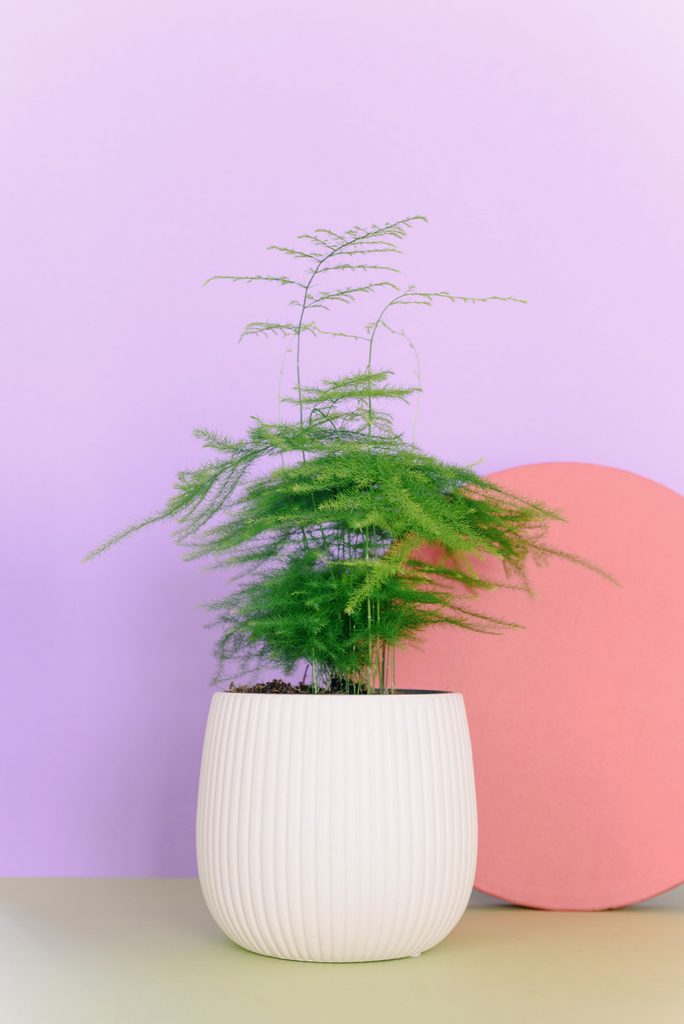
❌️ Asparagus fern (Asparagus setaceus) looks like a fine-textured fern and is often sold as one. It is not a true fern and is toxic to cats. The Boston fern is the safe pick when you want that soft, feathery look.
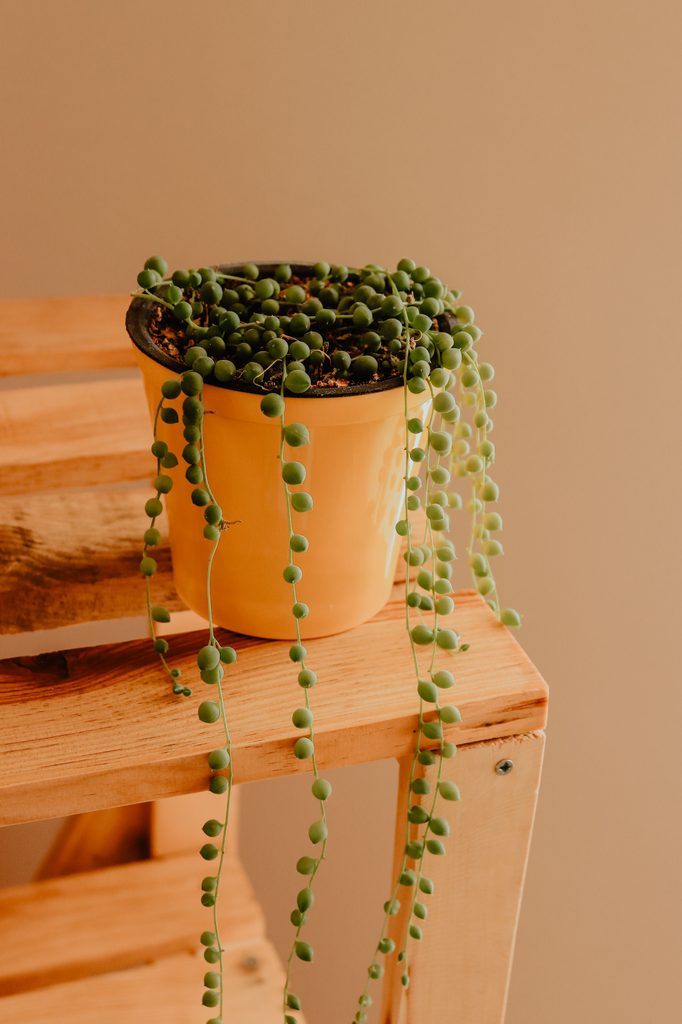
❌️ String of pearls (Senecio rowleyanus) is a popular trailing succulent that is toxic to cats. Burro’s tail (Sedum morganianum) gives you a similar beaded, cascading shape.
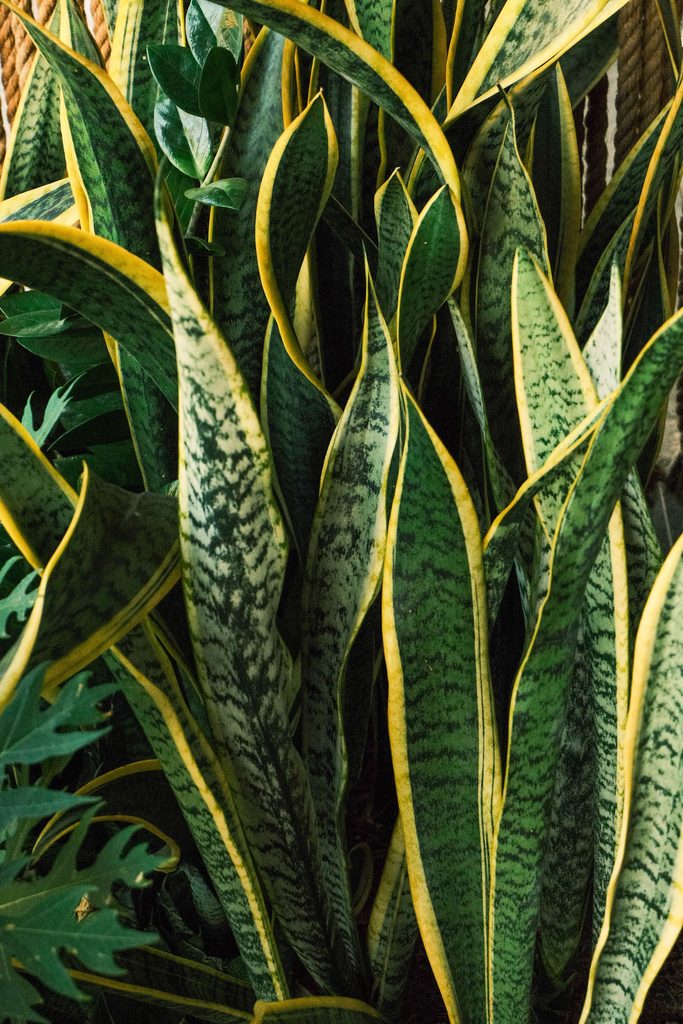
❌️ Snake plant (Dracaena trifasciata, formerly Sansevieria) and ZZ plant (Zamioculcas zamiifolia) are common “tough upright plants” and both are toxic to cats. The cast iron plant (Aspidistra elatior) fills the same role safely.
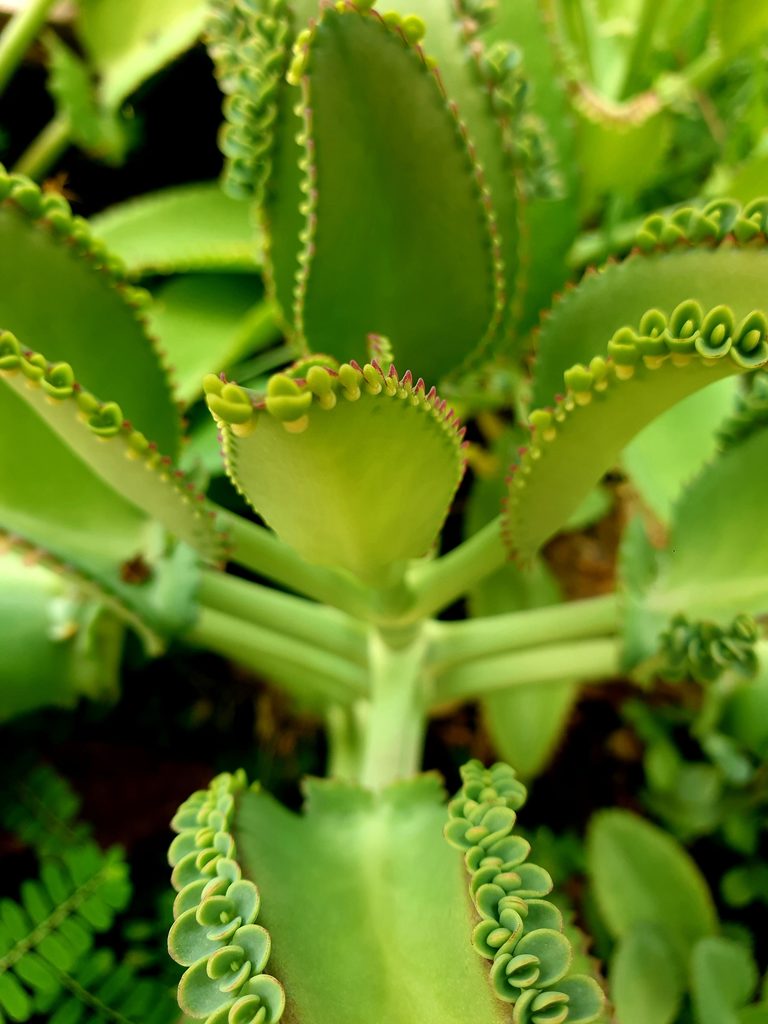
❌️ Kalanchoe (Kalanchoe species) looks like a cheerful flowering succulent and is toxic. Echeveria and the Christmas cactus are safer choices for color.
Late November also brings holiday plants into the house. Poinsettia (Euphorbia pulcherrima) is listed as a mild irritant rather than a serious poison, but it can still cause drooling and vomiting. Amaryllis (Hippeastrum) and mistletoe are best kept out of the house entirely if you have a cat.
How to check any plant by botanical name before it comes home
A botanical name has two parts: the genus and the species, written in italics, such as Chlorophytum comosum. It identifies one plant. A common name like “palm,” “lily” or “fern” can cover several unrelated species, which is why the lookalikes above exist.
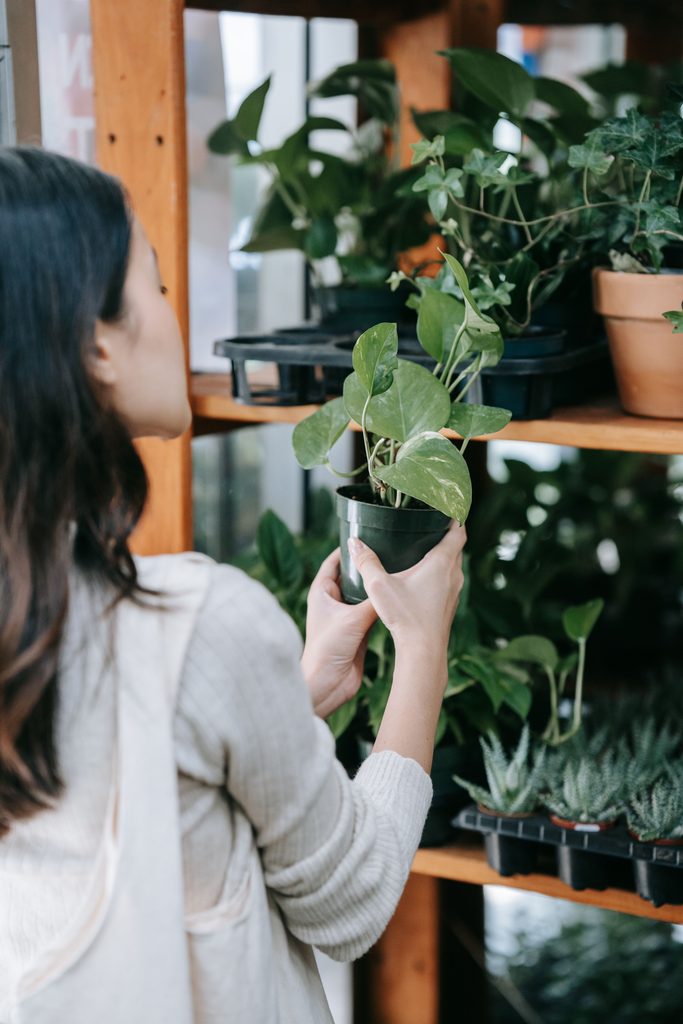
Follow this routine every time you buy:
- Find the botanical name on the tag. If the tag shows only a common name or a trade name, ask the staff for the genus and species, or photograph the plant and tag and look it up before buying.
- Search for the botanical name, not the common one. The ASPCA’s toxic and non-toxic plant list for cats lets you search by either, but the botanical name returns the exact plant. Pet Poison Helpline also keeps a searchable plant list.
- Check the genus too. Many plants are sold as cultivars or hybrids with branded names. If the cultivar is not listed, look up the genus and species it came from.
- Search under old and new names. Plants get reclassified. Calathea is the clearest example, with many species now sitting in Goeppertia. Sansevieria is now part of Dracaena.
- Watch for mixed pots. Garden centers sometimes plant several species in one container. Each one needs to be checked, and if the tag does not name them all, leave it on the shelf.
- Cross-check two sources. If two databases disagree, or neither covers the plant, treat it as unsafe and pick another.
Gift plants deserve the same check. A bouquet or a potted plant arriving from someone else is the easiest way for a toxic species to end up on a coffee table.
For the wider picture of hazards beyond plants, the guide to household hazards for cats covers what else is worth checking.
Placing safe plants so your cat and your plants both survive
A safe plant can still be wrecked by a cat. Placement protects the plant, and it also keeps pots from falling on your cat or onto the floor.
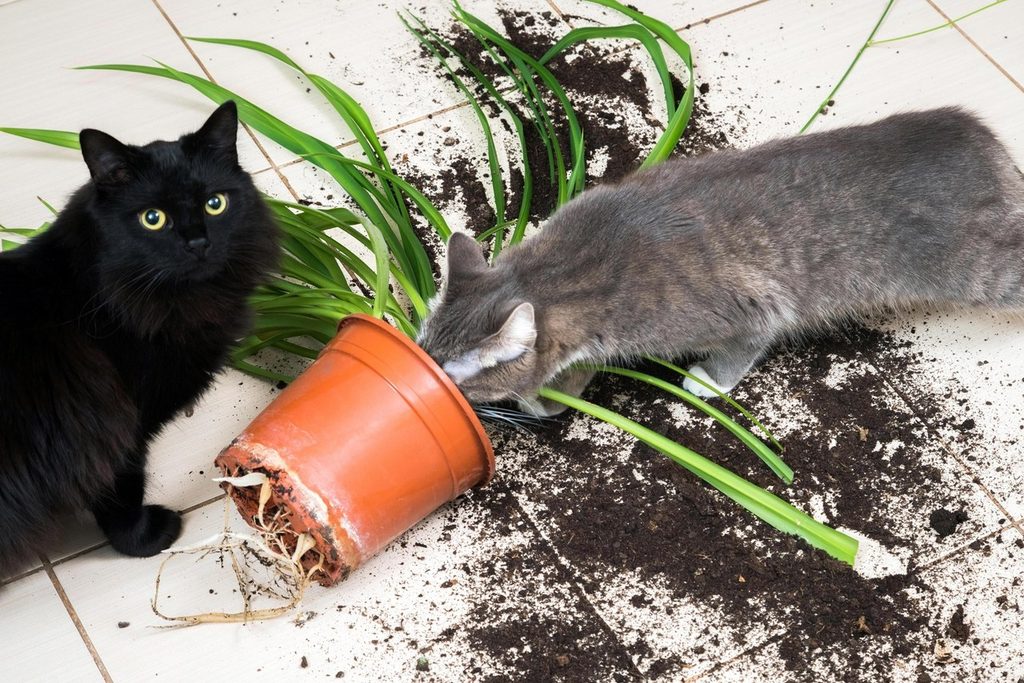
- Use heavy, wide-based pots. A cat that jumps onto a shelf will tip a light, narrow planter. Ceramic or terracotta pots with a wide base hold up better than thin plastic.
- Keep trailing plants out of easy paw reach. Burro’s tail and wax plant sit best on high shelves, in hanging planters or on a wall mount. Test the route first. If your cat can climb to a spot, a plant there is within reach.
- Make sturdy plants the ones at floor level. A cast iron plant or a large parlor palm tolerates a few bites and bumps. A fragile nerve plant does not.
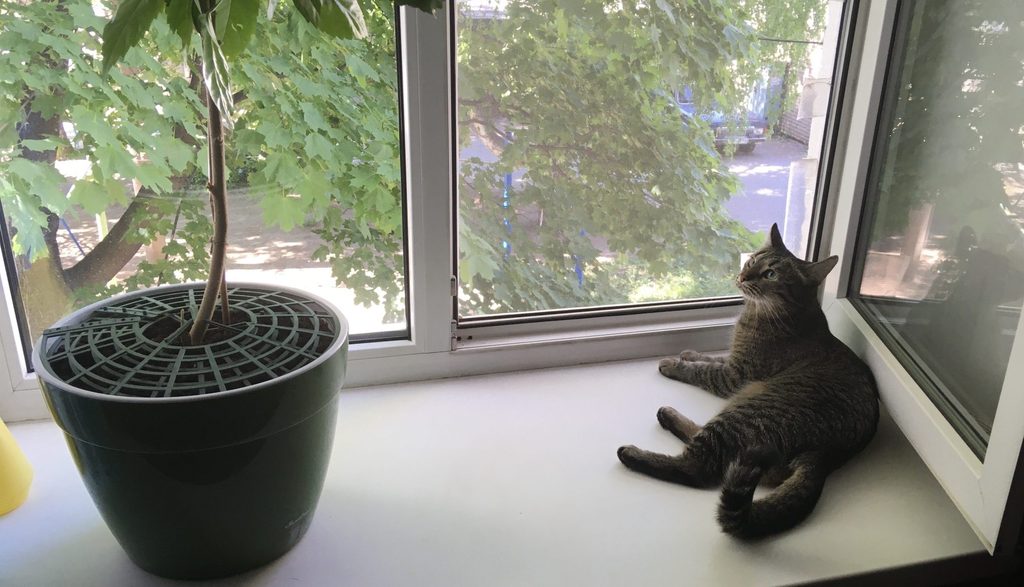
- Cover or top the soil. Large smooth stones or a mesh disc stop digging and make the pot a poorer toilet. Use stones too big to be swallowed.
- Give the cat something better to chew. A pot of cat grass nearby draws attention away from the houseplants. There is more on that in the piece on indoor grass for cats.
- Consider the height of your furniture. Climbing furniture next to a plant shelf works as a ladder to the plant. If you are rethinking your layout, the room-by-room guide on how to cat proof your home helps with that.
If your cat goes after every plant regardless of species, the 11 ideas for keeping a cat away from plants covers deterrents in more depth than this article does.
Non-toxic does not mean chew-proof: what to expect if your cat nibbles
“Non-toxic” means the plant is not expected to cause poisoning. It does not mean a cat can eat unlimited amounts without a reaction. Cats are carnivores, and a stomach full of leaf matter often comes back up. A cat that chews a spider plant and vomits some green foam is a common outcome, and usually a mild one.
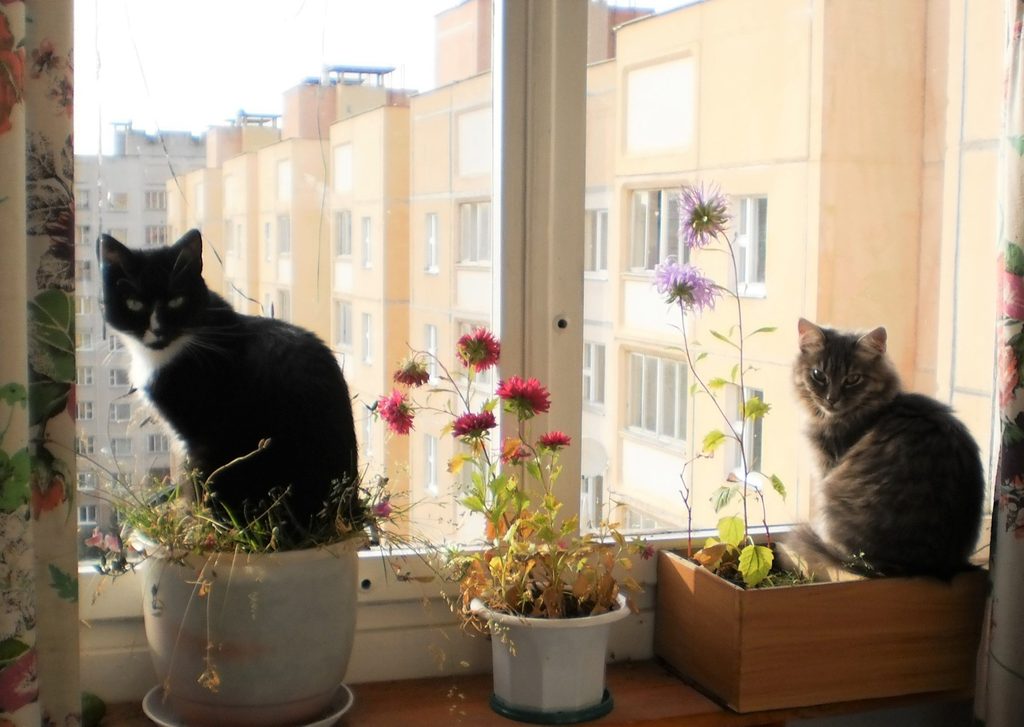
The plant is rarely the only concern. These matter just as much:
- Fertilizer and plant food. Slow-release granules in potting mix and liquid feed on leaves can upset a cat’s stomach. Use them sparingly, and keep stored products sealed and out of reach.
- Pesticides and treatments. Plants from garden centers and nurseries may have been treated with something. Wipe the leaves, and keep a new plant in a room your cat cannot enter for a week or two while you watch it. If you use insecticide at home, check the label for pet safety first.
- Soil. Potting soil can contain fertilizer and can grow mold when kept wet. Cats that dig and lick their paws can swallow it.
- Standing water. A saucer under a pot collects stagnant water. Empty it after watering.
- Spines and sharp edges. Safe succulents such as echeveria and haworthia can still have pointed tips, and the staghorn fern’s fronds have a rough texture. Sharp plants can scratch a mouth or paw.
Watch for repeated vomiting, loss of appetite, lethargy or diarrhea after nibbling. A single bout of vomiting after a safe plant is usually minor, but several episodes in a day deserve a call to your vet. Cats that start eating plants compulsively may also be telling you something about boredom or diet, so it is worth a conversation with your vet if it becomes a habit.
What to do if your cat eats a plant you are unsure about
Act on the unknown plant as though it were toxic until you know otherwise. A fast response matters more than a certain identification.
- Remove your cat from the plant and take any plant material out of the mouth if it is easy and safe to do so. Do not force anything.
- Identify the plant. Take a clear photo of the whole plant and the tag, and keep a leaf or stem in a bag. If you do not know the botanical name, the photo is what a vet or poison line will use.
- Call your vet or an animal poison control line right away. Do not wait for symptoms. Some poisonings, lilies especially, cause damage before signs appear. Poison hotlines may charge a consultation fee, and that is worth paying in an unclear case.
- Do not make your cat vomit unless a vet tells you to. Some plant toxins do more harm coming back up, and some home methods are dangerous in themselves.
- Watch for signs while you wait. Drooling, pawing at the mouth, vomiting, diarrhea, tremors, unusual sleepiness, wobbling, a swollen face, or changes in drinking and urination all justify an urgent visit.
- Bring the plant sample and photo to the clinic.
If the plant is a lily or could possibly be one, go straight to a vet. Even a small bite, or a cat that has only licked pollen off its fur, is treated as an emergency.
Do this preparation now, while your cat is fine: save your vet’s number, the nearest emergency clinic’s number and a poison control number in your phone. Keep the plant tags in a folder or take a photo of each one when it comes home, so you can name any plant in the house in seconds.
Thank You For Reading!