
Hello, Cat Enthusiasts!
Seasonal allergies in indoor cats are a reasonable thing to wonder about when your cat sneezes every spring or scratches more every autumn. A cat that never goes outside still breathes the air in your home, and that air carries pollen, dust and mold spores from outdoors and from the house itself. Only a vet can say whether a reaction is an allergy, but you can reduce what your cat is exposed to and give the vet better information.
This article covers how allergens get in, which signs matter, a room-by-room routine, and when to stop adjusting things at home and book an appointment.
How allergens get past your front door
Pollen is made of microscopic grains, far smaller than anything a closed door keeps out. Several routes bring it, and other airborne irritants, into a home with an indoor cat.
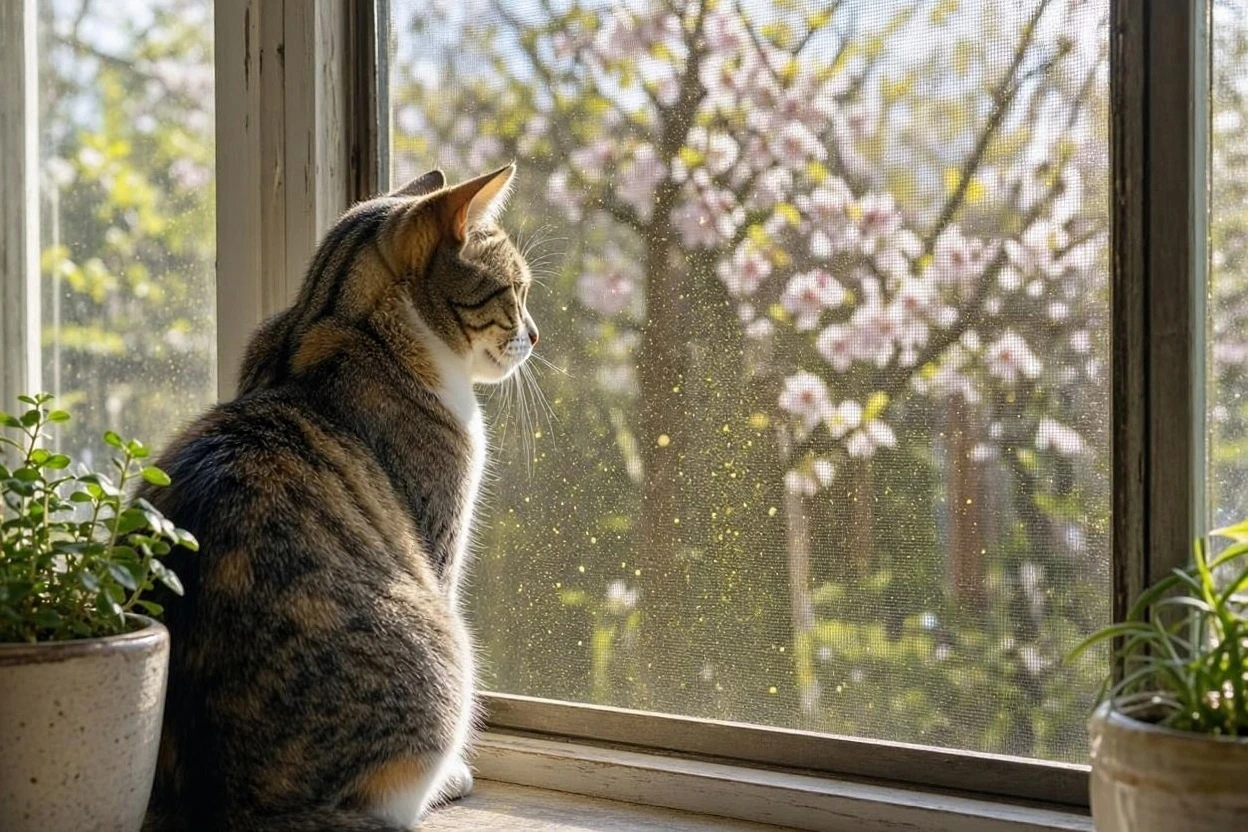
- Open windows and doors. Air moving through a window carries pollen with it, and a standard insect screen does not stop grains this small. Every opening, even a few minutes at the back door, lets some in.
- Shoes. Soles pick up pollen, soil, dust and mold spores, then leave them on the floor where the cat walks and lies.
- Clothes and hair. Pollen settles on coats, sweaters, hair and beards, then transfers to sofas, beds and any lap your cat chooses.
- Bags and parcels. A tote set on the floor or a delivery box left on the sofa carries whatever it picked up outside.
- Visitors. Guests bring in particles on their clothes and shoes, and any pets that come with them add more.
- Other pets. A dog that goes outside is an efficient carrier, because pollen collects in a coat and gets shaken off indoors.
Pollen is not the only seasonal irritant. Dust and mold also vary through the year. Heating and closed windows in colder months can mean more dust circulating, and damp corners, bathrooms and window frames can grow mold at any point in the year. For some indoor cats, the “season” that bothers them has little to do with flowers.
Because the exposure is indirect, a cat with symptoms at a certain time of year is not strange. The sections below cover the entry points one at a time.
Signs your cat may be reacting, and what looks similar but isn’t
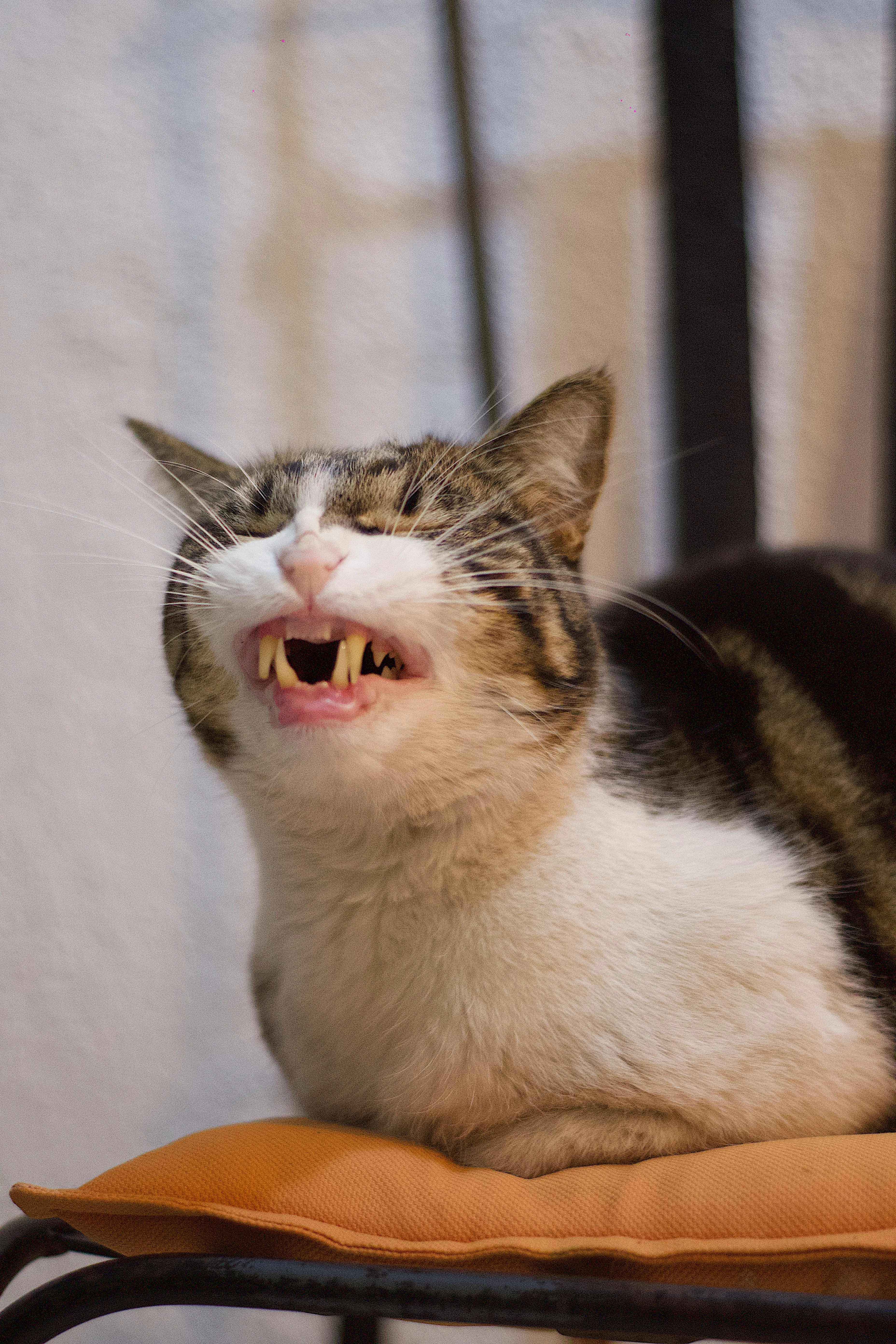
Allergic reactions in cats can show up in the skin, the eyes and nose, or the airways. Signs owners commonly notice include:
- Sneezing, especially in repeated bouts
- Watery eyes or clear eye discharge
- Itching: scratching at the face, ears or neck, or rubbing the face on furniture
- Overgrooming, including licking one area until the fur thins
- Small scabs or red patches on the skin, often around the head and neck
- Coughing or wheezing
Many other problems cause the same signs, which is why guessing at home is unreliable. These are the common look-alikes:
- Upper respiratory infections. Sneezing, runny eyes and nasal discharge are typical of infections, which spread between cats and may come with a fever or low appetite.
- Fleas. Even a cat that stays inside can get fleas, and flea bites cause intense itching and scabs. A cat can react badly to a few bites.
- Mites. Ear mites and skin mites cause scratching and head shaking.
- Food reactions. Skin itching and overgrooming can come from something in the diet.
- Airborne irritants other than pollen. Scented candles, aerosol sprays, air fresheners, smoke and dusty litter can all trigger sneezing and watery eyes, and they have nothing to do with the season.
- Stress overgrooming. Cats sometimes groom excessively when something in their routine changes, which can look like a skin allergy.
- Dental or eye problems. Pawing at the face or squinting can come from a sore tooth or an irritated eye.
A useful clue is timing. If the signs come and go with the same part of the year, or get worse after a windy day or a visitor, write that down. Patterns matter, but they still point toward a vet visit rather than a conclusion. Cats with coughing, wheezing or breathing trouble need a vet promptly, and the section on veterinary care below spells out which signs are urgent.
Cut exposure at the window: screens, airing times and perches
Windows are the largest single opening for pollen, and they are also where most indoor cats spend their day. A window perch puts your cat in the spot where outdoor air arrives.
Screens. A screen keeps insects and larger debris out and is worth having if you open windows. Pollen is small enough to pass through ordinary mesh, so a screen reduces exposure only a little. It must also be intact and firmly fitted, because cats push on screens. Check for tears and loose edges before the season starts.
Airing times. If you air out the house, choose your moments. Pollen levels are not constant: they depend on the plants in your area, the weather and the time of day. Local weather services and pollen forecast apps often report levels, so you can keep windows shut on high-pollen days and open them on lower ones. Windy, dry days generally carry more pollen than days after rain, which tends to wash it out of the air. Ventilating briefly on a low-pollen day is a better trade than leaving windows ajar all day.
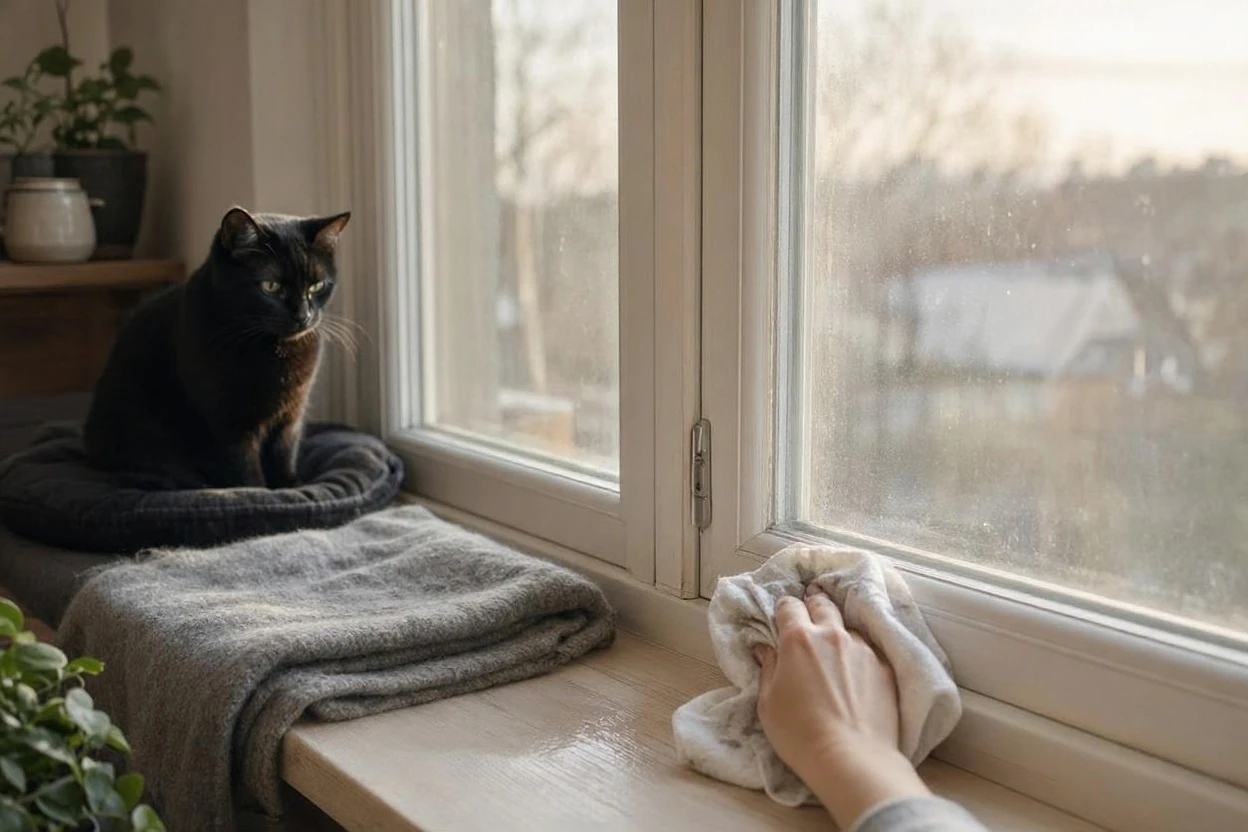
Perches and sills. Surfaces next to the window collect particles. Wipe sills and window frames with a damp cloth, because dry dusting pushes particles back into the air. Wash the blanket, pad or cover on a window perch weekly during high-pollen periods. If your cat sleeps in a sunny spot by the glass, that spot needs the most attention.
Where the cat sits. If your cat reacts badly in a particular season, consider closing the window next to their favorite perch on bad days and offering another spot farther inside the room. A perch on a window that stays closed still gives your cat the view without the airflow. For ideas on creating more resting spots away from the glass, the post on how to build a cat highway covers routes and perches that give a cat other places to be.
Mold at the window. Condensation on window frames in colder months can feed mold. Wipe visible moisture, and treat any black or green growth with a cleaner that is safe for pets once it has dried and aired out, keeping your cat out of the room while you work.
Stop particles at the entrance: shoes, bags, coats and visitors
Dealing with particles at the front door is easier than chasing them through the house. The idea is a small routine that every person follows on arrival.
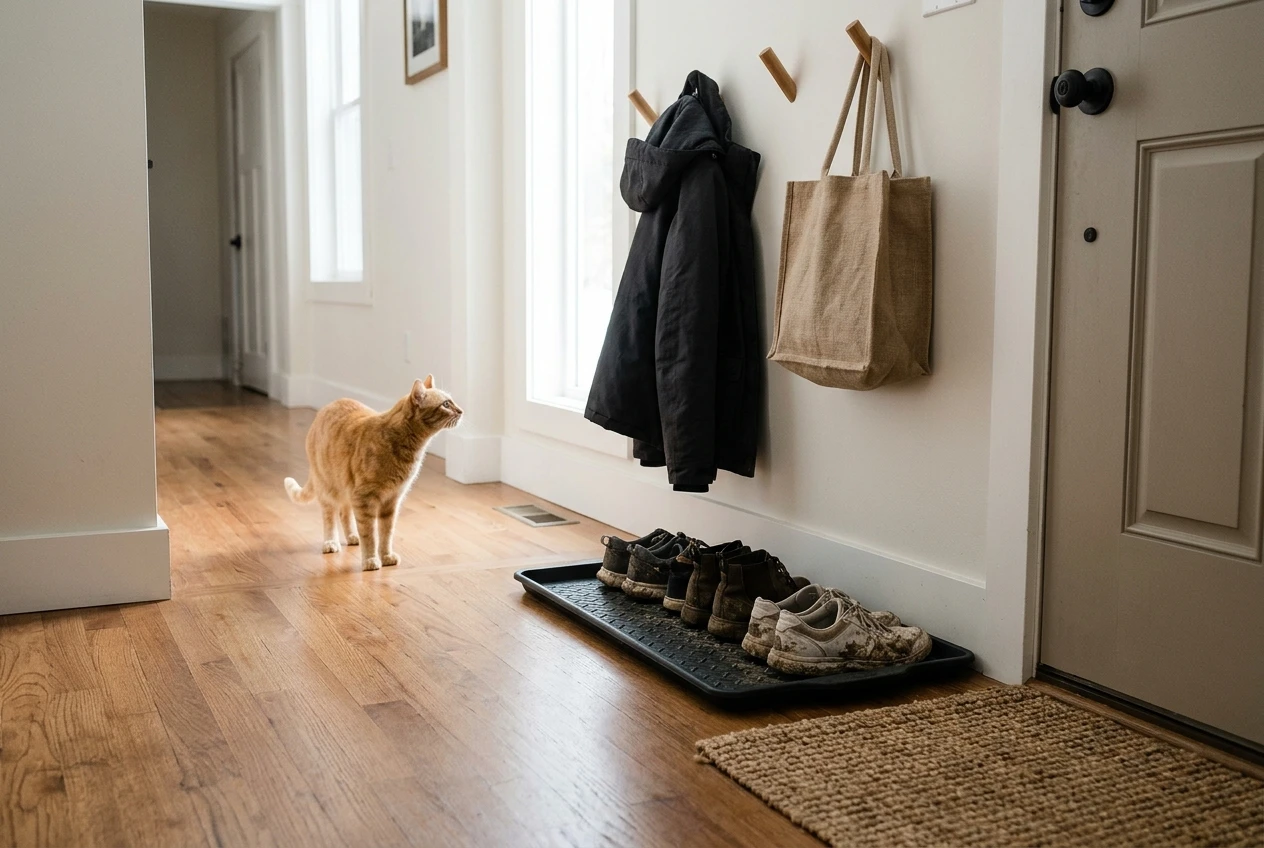
Shoes. Take shoes off at the door and leave them on a rack or tray that your cat does not use as a bed. A mat inside the door catches some of what falls off. Shake out or vacuum the mat regularly rather than letting it fill up.
Coats and jackets. Hang outdoor coats in a closet or on hooks by the door, away from the sofa and away from the cat’s favorite spots. A coat thrown over a chair becomes a bed for pollen, and cats like to sit on discarded clothes.
Bags and parcels. Put bags on a hook or a shelf instead of the floor or the furniture. Open parcels and deliveries near the door and break down the boxes quickly, since cardboard attracts cats and carries dust.
Changing clothes. After a long day outside, especially on a high-pollen day, change into indoor clothes before you sit with your cat. Wash outdoor clothes on the warmest setting the fabric label allows. If you wear a hat or scarf, those need washing too.
Hair. Pollen collects in hair. If you are outside for a while on a high-pollen day, brushing your hair before you pick up your cat, or washing it before bed, keeps some of it off your pillow, which your cat may share.
Visitors. You do not need a strict policy, but a shoe-free home with a place for coats helps everyone. A guest who arrives with a dog or from a garden carries more than one who has just come from a car. Wiping the entry floor after a busy day keeps the cat from walking through what fell off.
Other pets. If a dog lives in your home, wipe their paws and coat after walks. A damp cloth on the paws and underside takes off a good share of what they carry. Dogs should be brushed outdoors when possible.
A weekly cleaning routine that targets what cats lie on
Cats spend much of the day on a few surfaces, so a cleaning routine should start with those. This weekly plan goes through the house room by room. Cleaning daily is not required, but weekly during high-pollen weeks and every couple of weeks otherwise keeps levels down.
Order of work. Clean from high to low: shelves and surfaces first, floors last. Use a damp microfiber cloth for dusting, which holds particles instead of flicking them into the air. Vacuum after dusting.
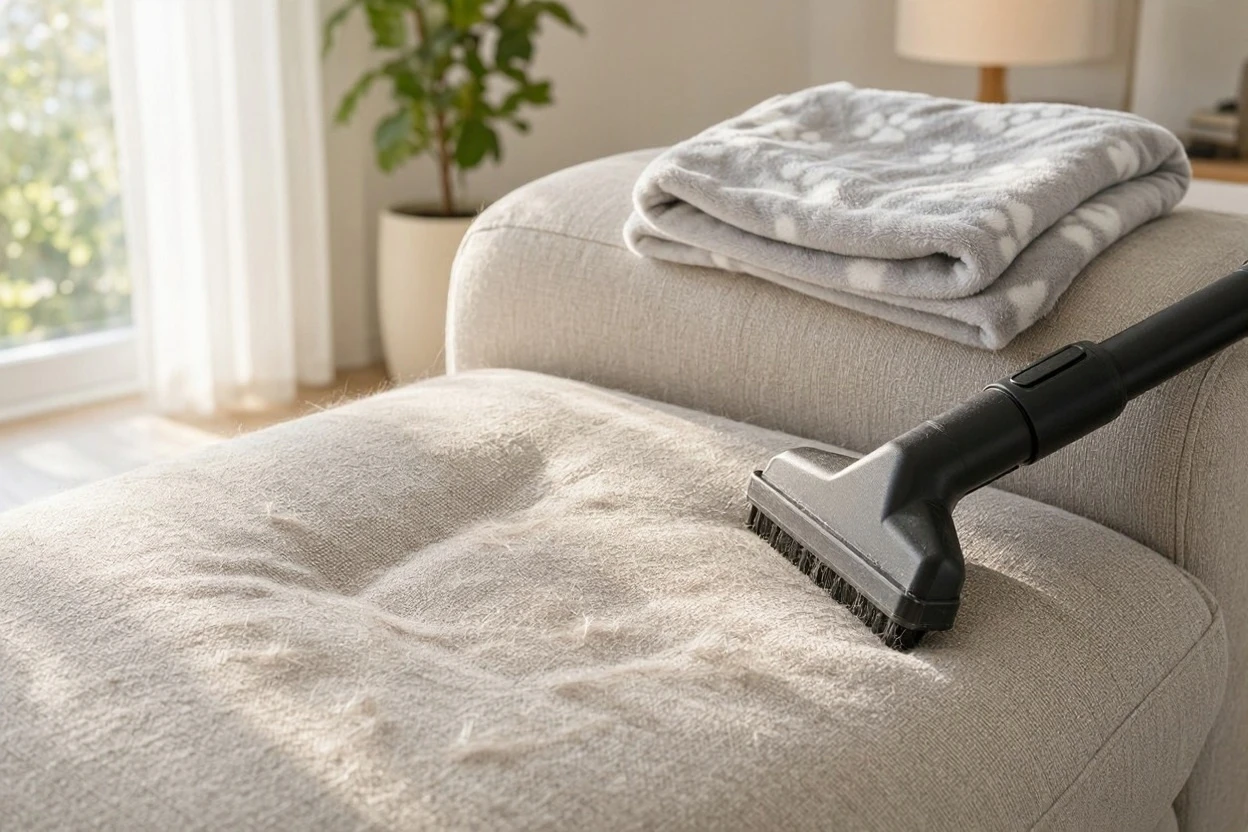
Vacuum choice. A vacuum with a HEPA filter and sealed construction holds fine particles better than one that exhausts them back into the room. Vacuum rugs, carpets and upholstered furniture slowly, and go over cat sleeping spots with the upholstery tool.
Living room.
- Vacuum the sofa and any chair the cat uses, including the cushions and the gaps beside them.
- Wash throw blankets and cushion covers.
- Damp wipe the window sill, TV stand and shelves.
- Vacuum the cat tree platforms and wash or replace removable pads. Carpeted surfaces hold dust, so the tree needs the upholstery attachment as well.
Bedroom.
- Wash bedding weekly on a warm cycle if the fabric allows it. If your cat sleeps on the bed, this matters most.
- Vacuum under the bed, where dust gathers.
- Keep clean clothes in drawers or a closet, since cats like piles of fabric.
Cat’s own bedding. Wash cat beds, blankets and covers weekly in hot water if the labels allow. Use a fragrance-free detergent, because strong scents can irritate a cat’s nose and eyes, and rinse well.
Litter area. Dusty litter can irritate the airways of some cats, and clay litters in particular can release fine dust when poured. A low-dust litter may help, though sudden litter changes can put a cat off using the box. If you try a different type, mix it gradually with the old one over a week or so. Pour litter slowly and keep the box away from the window and vents.
Kitchen and bathroom. Fix leaks and dry damp patches, since mold grows where water lingers. Run the bathroom fan after showers. A cheap hygrometer shows whether your home’s air is very damp. High humidity supports mold and dust mites, and very dry air irritates noses and skin.
Air. An air purifier with a true HEPA filter can reduce airborne particles in the room where your cat spends the most time. Choose one rated for the size of that room, and keep it away from where the cat could knock it over or chew the cord. Change filters on schedule.
Products to avoid. Scented candles, plug-in air fresheners, incense, aerosol sprays and strong cleaning products add irritants to the air. Choose unscented products and ventilate when you use anything strong. The guide to household hazards goes into safety of specific products in more detail.
Wiping and grooming: what’s reasonable to do with the cat itself
It is natural to wonder whether you can clean the allergens off the cat. A little is reasonable, as long as you keep your cat comfortable and do not turn grooming into a struggle.
Damp cloth wipe. After a high-pollen day, you can run a soft, damp cloth over your cat’s coat, paws and face, following the direction of the fur. Plain water on a clean cloth is enough. Many cats tolerate this if it is brief and ends with a treat. If your cat dislikes it, stop. A stressed cat that overgrooms makes the skin worse.
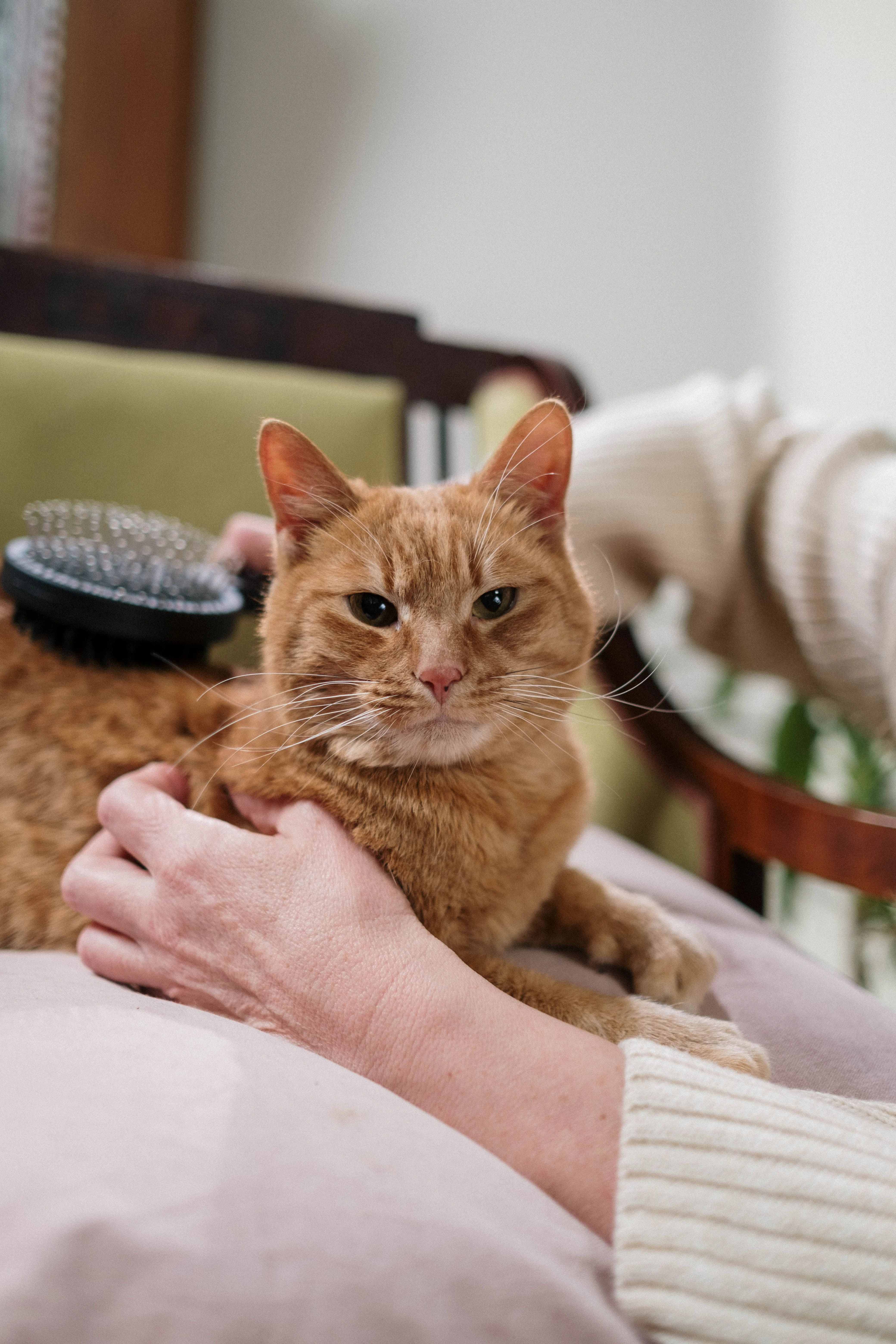
Brushing. Regular brushing removes loose hair and the dust and pollen caught in it. Do it in a room other than the bedroom, and wipe the brush clean afterward. Short, calm sessions work better than long ones, and a long-haired cat will need it more often.
Paws and fur around the eyes. If watery eyes leave stains, a vet can show you what is safe to use around the eyes. Do not use human eye drops or products unless your vet says so.
Baths. Most cats groom themselves and do not need regular baths. Bathing can stress a cat and dry the skin, and some shampoos irritate. Ask a vet before bathing a cat for allergy reasons, and let them recommend a product if they suggest it.
Wipes and sprays. Many pet wipes contain fragrance or ingredients that are not meant to be licked. Cats groom with their tongues, so anything left on the coat gets swallowed. Ask your vet before using any product, and never use essential oils or human products on a cat.
Medication. Do not give your cat human antihistamines or any other human medication without veterinary advice. Doses and ingredients that are fine for people can be dangerous for cats.
When to see a vet and what to bring to the appointment
Home changes help with mild, occasional irritation. Some signs should not wait.
See a vet promptly or go to an emergency clinic if your cat:
- Breathes with an open mouth, breathes fast or with visible effort
- Has gums that look pale, blue or gray
- Coughs or wheezes repeatedly, or crouches low to the ground with the neck stretched out while coughing
- Has a swollen face, lips or eyelids, or develops hives
- Squints, keeps an eye shut, or has cloudy or red eyes
- Stops eating, hides, or seems unusually tired
Book an appointment soon if your cat:
- Has thick yellow or green discharge from the nose or eyes
- Sneezes repeatedly for more than a few days
- Scratches until the skin is broken or bleeds
- Loses patches of fur
- Has signs that return each year at the same time
- Does not improve after a couple of weeks of reducing exposure
Breathing trouble in a cat is always urgent. Cats can also develop asthma, which a vet needs to assess, and it is not something to manage by adjusting the home alone.
What to bring to the appointment
A vet works from what they find on examination and from your history. Good notes make that history more useful.
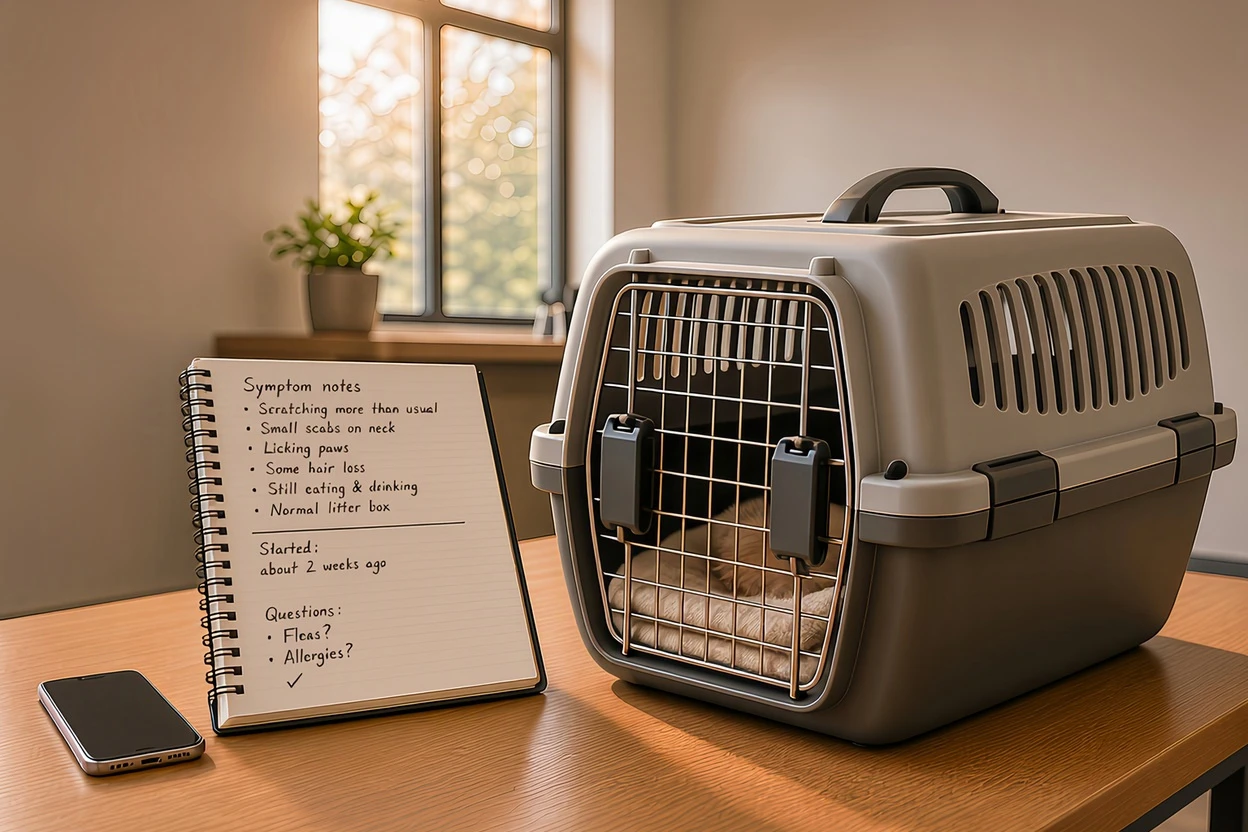
- A symptom log. Write down what you see, the date, and what was happening: windows open, visitors, cleaning, a new product.
- Photos or short videos. Sneezing fits, coughing, eye discharge and skin patches may not happen in the exam room, and a recording shows them.
- A list of products in your home. Include litter brand, cleaning products, detergents, candles, sprays, air fresheners and plug-ins.
- Diet details. Bring the names of the food and treats your cat eats.
- Parasite prevention. Tell the vet which flea and worm products your cat has, and when they were last given.
- Medication and supplements. List anything your cat takes, including products you bought without a prescription.
- Changes at home. New pets, furniture, renovation work, a move or a change in routine are worth mentioning.
The vet may suggest tests, treatment, or changes to the home. Follow their advice rather than adding home remedies on top.
Allergy-aware habits to build into your cat’s daily routine
Cats do best with consistency, so exposure control works when it becomes part of the day instead of a one-off clean. Small, repeatable habits are easier to keep than a big effort that you drop after a week. The article on the importance of routines for cats explains why predictable days suit cats, and the same predictability helps here.
A simple daily pattern:
- Morning: check the pollen forecast if you use one, and decide whether windows stay shut. Wipe the window sill if the cat’s perch is there.
- On arrival home: shoes off, coat in the closet, bag on its hook. Change clothes if you were outside for long.
- Evening: a short, gentle brush if your cat enjoys it, and a damp cloth over the paws and coat on high-pollen days.
- Before bed: wipe visible dust from the cat’s favorite resting spots and close windows.
Weekly tasks, such as washing bedding and vacuuming, sit on top of these. Pick the same day each week so it becomes routine.
Keep your cat’s basic needs in place while you make changes. Fresh water, play, a clean litter box and quiet resting places all matter, and the basic indoor cat needs post is a checklist for those. A cat that is comfortable and active is easier to observe, so you will notice changes sooner.
Make one change at a time where you can. If you replace the litter, add an air purifier and switch detergents in the same week, you will not know which change helped or which caused a problem. Note each change in your log with its date, and take that log to the vet if the signs continue.
Finally, keep expectations realistic. You cannot remove every particle from a home, and you do not need to. The aim is lower exposure, a record of what you see, and a vet who can look at the cat and say what is going on.
Read next: What Is Dangerous to Cats in the House? 11 Household Hazards for Cats to check the rest of your home for hidden risks.
Thank You For Reading!